






Smart Energy Integration and Control with Homey
The energy transition is showing up in our streets and homes. You see neighbors installing solar panels, replacing old boilers with heat pumps, parking EVs in their driveways and talking about home batteries and dynamic contracts. Each of these solutions promises efficiency, sustainability and future-proof comfort.
But there’s a catch: these devices often come with their own apps, dashboards and ways of thinking. Without a unifying system, you risk ending up with a collection of powerful tools that never quite work together.
Homey’s role as a HEMS is to connect these pieces into a coherent whole.
Smart Control for Heat pumps and Hybrid Systems
Heating is one of the biggest levers for reducing emissions and energy costs. Heat pumps and hybrid systems are central to that shift. They’re also more sensitive to how they are controlled than traditional boilers.
A heat pump thrives when it can run steadily and efficiently, often at lower temperatures. That means zoning, schedules and smart interaction with other systems matter. If you simply treat it like an on/off boiler, you won’t get the best from it.
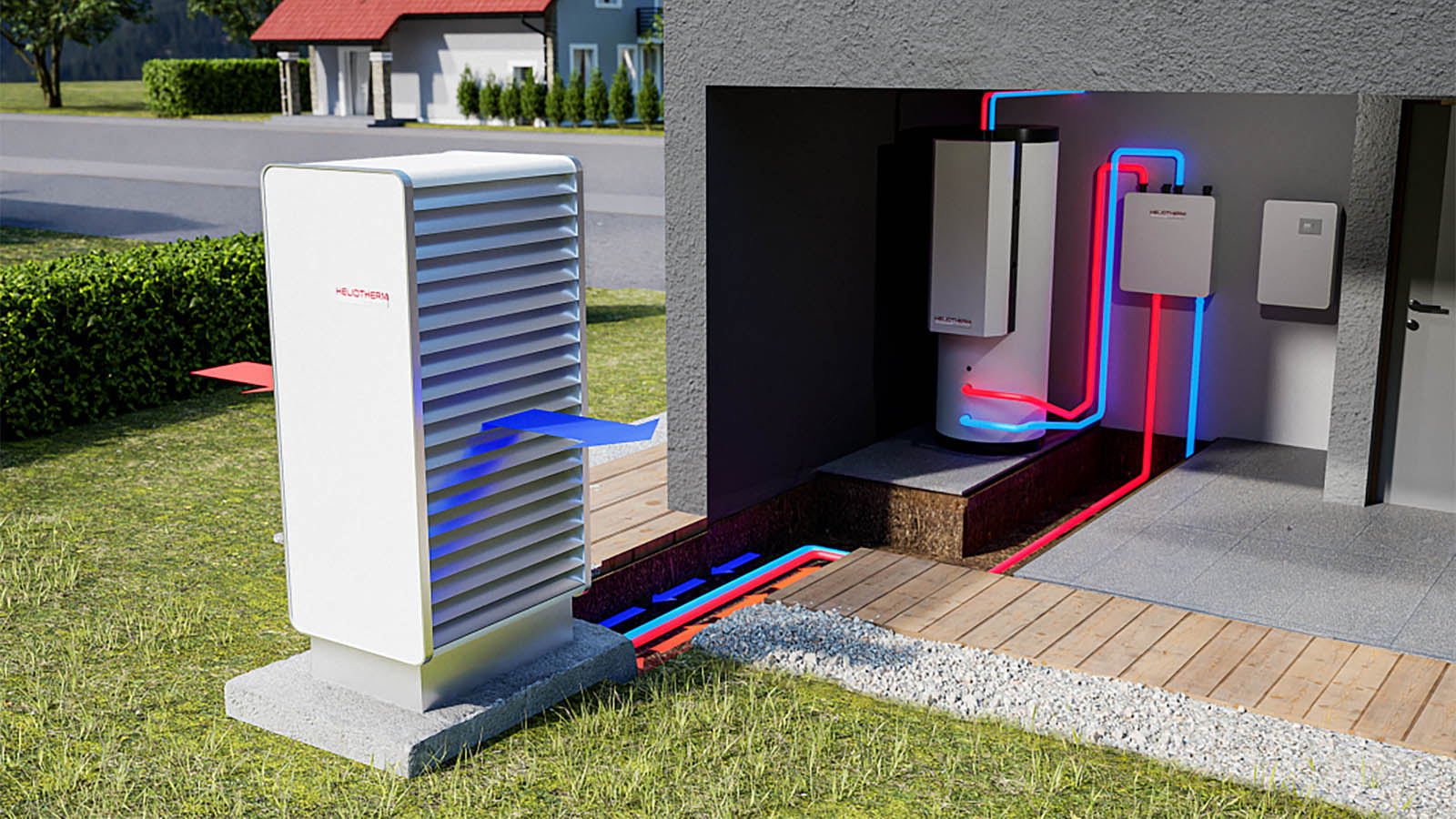
By integrating thermostats, radiator valves and heat pump controls with Homey, you give your HEMS the ability to manage heating as part of your broader smart energy strategy. The system can consider presence, room usage, solar production and pricing tariffs when deciding how and when to supply warmth.
For example, Homey can allow a bit of pre-heating during sunny or cheap hours, then rely on the building’s thermal mass later. It can avoid heating empty rooms while ensuring living spaces stay comfortable. It can coordinate with ventilation, blinds and windows sensors to avoid wasting heat through open windows or unnecessary losses.
EV Chargers: Turning Mobility Into a Flexible Asset
Electric vehicles are rapidly becoming the largest single electrical load in many homes. A fully charged battery represents a considerable amount of energy, and how you fill it matters for both the grid and your wallet.
If your EV charger or car is integrated with Homey, it no longer operates in isolation. Your HEMS knows when the car is connected, what your usual departure times are and what else is happening in the home.
Homey can then make charging decisions based on dynamic tariffs, solar output, or local constraints such as the capacity of your main fuse. It can slow down charging when other heavy loads are running, then speed up later when more capacity is available. It can prioritise solar energy during the day and cheap grid energy at night.
From your perspective, you simply plug in the car and trust that it will be ready when you need it. Under the surface, your HEMS has turned mobility into a flexible asset that works with the rest of your energy system instead of competing with it.
Solar and Home Batteries: Integrating Generation and Storage
Rooftop solar and home batteries are often sold with their own platforms and apps. That’s understandable, but it can make them feel like separate “energy islands” rather than core parts of your home’s behavior.
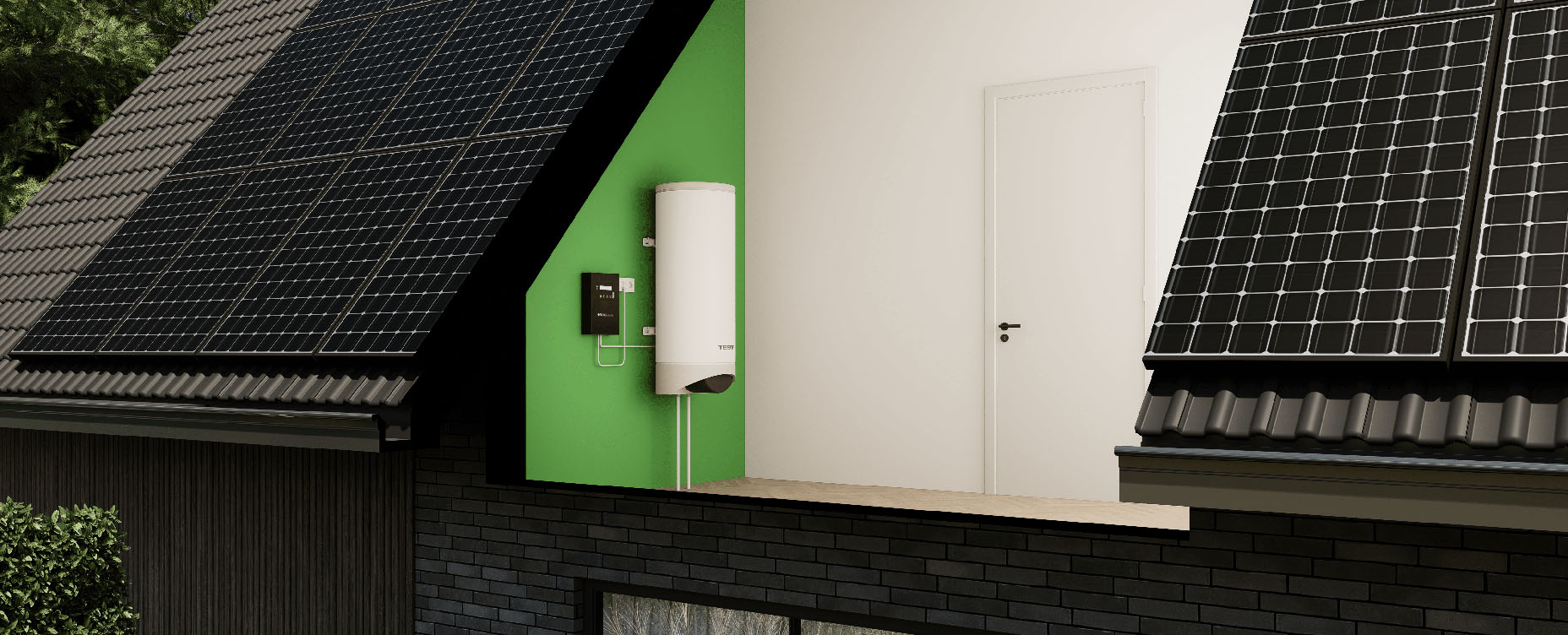
By connecting inverters and batteries to Homey, you let your HEMS see generation and storage in real time. That information feeds directly into the logic that controls your heating, appliances, EV charging and more.
Homey can recognise when your panels are covering most of your demand and relax certain constraints. It can detect when the battery is full enough and start using surplus for flexible loads. It can avoid drawing from the battery at times when grid power happens to be particularly cheap or when you want to preserve stored energy for specific periods.
The key is that solar and storage stop being afterthoughts. They become active participants in the way your home decides when and how to use smart energy.
The Orchestration Layer Your Home Deserves
Heat pumps, EV chargers, solar panels, home batteries, smart thermostats and plugs are all powerful instruments, but without a conductor, they may play out of sync. Homey is that conductor.
It doesn’t replace the specialised functions of each device. Instead, it listens to all of them, adds contextual information like presence and pricing, and then coordinates their actions based on your priorities.
In practice, that means your home becomes more than the sum of its parts. A heat pump that is aware of solar and tariffs performs differently from one that isn’t. An EV that charges according to the state of the home rather than a fixed schedule interacts with the grid in a more friendly way. A battery that plays nicely with both solar and dynamic prices delivers more value.
A HEMS based on Homey is ultimately about giving your smart energy investments a shared strategy. You still choose the individual components that fit your home best—but Homey makes sure they behave like one system.
FAQs
Why do I need a HEMS if my devices have their own apps?
While individual apps are useful, they often result in isolated "energy islands" that don't communicate. A HEMS like Homey acts as a unifying layer, connecting your heat pump, EV, and solar setup into a coherent system where devices work together rather than competing for capacity.
How does Homey improve heat pump efficiency?
Heat pumps perform best when running steadily rather than cycling on and off like traditional boilers. Homey integrates them with thermostats and sensors to manage zoning and schedules intelligently, utilizing pre-heating during sunny hours and preventing waste, such as heating a room with an open window.
Can Homey prevent my EV from overloading the grid?
Yes. Homey monitors the total load of your home and can adjust EV charging speeds in real-time. If other heavy appliances are running, Homey slows the charge to protect your main fuse, then speeds it up again when capacity becomes available.
What is the advantage of "orchestration" for energy?
Orchestration means your devices act based on shared context rather than fixed, isolated schedules. Instead of a heat pump running simply because it's 5:00 PM, Homey directs it to run because it knows you are home, solar production is high, and energy prices are currently low.
How does this system handle solar and batteries?
Instead of treating solar panels and batteries as separate monitoring tools, Homey uses their real-time data to drive decisions. It can detect when a battery is sufficiently charged and automatically trigger other flexible loads to use the remaining surplus, maximizing self-consumption.
Glossary
Heat Pump
An electrical device that transfers heat from the outside air or ground to warm a building. Unlike gas boilers, heat pumps are highly efficient but perform best when controlled with steady, long-term strategies rather than rapid on/off switching.
Dynamic Tariff
An energy contract where electricity prices fluctuate throughout the day based on supply and demand. A HEMS uses these price signals to automatically run heavy appliances when electricity is cheapest and pause them when prices are high.
Main Fuse
The physical component that limits the maximum amount of power your home can draw from the grid at one time. Monitoring this limit is critical when adding high-load devices like EV chargers to prevent power outages.
Thermal Mass
The ability of a building’s materials (like concrete floors or brick walls) to absorb and store heat. A HEMS can "charge" this mass by heating the home during sunny periods, allowing the building to stay warm later without drawing more power.
HEMS
A Home Energy Management System (HEMS) places a central controller, such as Homey, in charge of your energy flows. It unifies your solar inverter, battery, and appliances into a single responsive network that adapts usage based on real-time production and consumption data.


