





Getting Started with Home Batteries and Homey
A home battery can reduce your energy bill and make better use of your own solar power while smoothing out peak loads. It often feels complicated with technical terms like capacity and power rating or AC versus DC coupling. This practical plan helps you get started without hassle from orientation to your first smart rules.
1. Defining Your Goals
You should first decide what matters most to you because that choice steers all further decisions. You can combine goals but should pick a main priority so that settings do not conflict. Common goals include maximizing self-consumption by storing solar energy for the evening or reducing peak load to lower capacity tariffs.
You might also practice price arbitrage with a dynamic contract by charging when cheap and discharging when expensive. Another option is providing backup during power outages to keep critical circuits running.
2. Gathering Your Data
Base your plan on one to three months of data to prevent over-dimensioning or under-dimensioning your system. You need to gather hourly PV yield from your inverter portal along with hourly household consumption from your smart meter or provider app.
It is also important to note evening and night consumption which typically occurs between 1800 and 0800 hours. Be sure to identify peak loads from cooking or EV charging and understand your tariff structure including fixed or dynamic rates.
3. Choosing Capacity and Power
Capacity determines how much energy you can shift in a day while power rating needs to match the peaks you want to smooth out. You should aim for a capacity that matches the portion of daily solar surplus you realistically use in the evening.

For instance, a range of 5 to 10 kWh is logical for many households but you should check your own data. Flattening cooking and heat pump peaks might require 3 to 5 kW continuous output. Too little power gives capacity but provides little benefit regarding peak reduction.
4. Selecting AC or DC Coupling
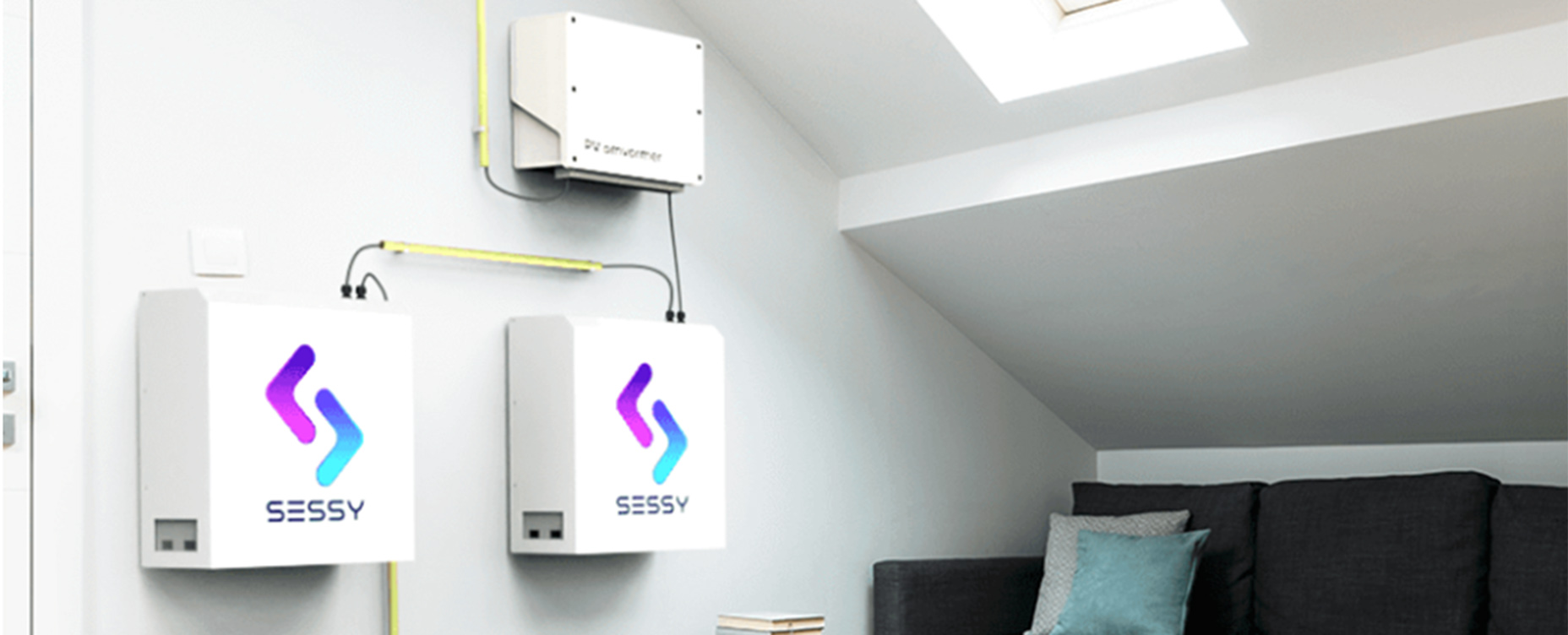
You should choose your coupling method based on round-trip efficiency and overall cost rather than just purchase price. AC-coupled systems are ideal for existing PV setups since they are flexible and relocatable. On the other hand, Hybrid or DC-coupled systems connect PV and battery on one inverter which often offers slightly higher efficiency and less wiring.
5. Ensuring Proper Location and Safety
Find a cool and dry space away from direct sun or heat sources to house the system. Ensure there is enough free space for installation and maintenance. You must follow manufacturer and fire-safety guidelines regarding mounting height and clearance. It is also necessary to plan routes for cables connecting to your panel and allow space for a critical-loads panel if you want backup power.
6. Designing Electrical Setup and Phase Balance
Verify your main connection and spare circuit capacity before installation. Use a three-phase inverter or a system with smart phase-balancing if you have a three-phase connection. This setup avoids importing power on other phases while the battery appears full. You should also set power limits per phase to protect fuses.
7. Installing Metering and CT Clamps
The battery decides what to do based on measured data so wrong metering leads to wrong charging and discharging decisions. Place CT-clamps at your main entrance before any sub-circuits and ensure they cover all phases in the correct direction. You should test with a known load like a kettle to confirm the import and export direction is correct.
8. Managing Installation and Certification
Let a certified installer handle the setup to ensure safety and compliance. Ensure you get an official inspection report after installation is complete. Make sure you update the firmware and configure the inverter for the correct grid code. You should record serial numbers and warranty status while taking photos of the settings for future reference.
9. Configuring Basic Profiles
A healthy State of Charge range for normal daily use is 15 to 90 percent. You should only extend this to 10 to 95 percent in rare cases like very low prices while keeping a reserve buffer for peaks or outages. Use seasonal profiles where summer focuses on PV priority. You can switch to price-based charging and strictly limit peaks in winter while using a hybrid mix in spring and autumn.
10. Setting Rules for Dynamic Prices and PV Use
Homey can manage rules to optimize your return. For example:
- Charge when the hourly price is below a cheap threshold or is negative.
- Discharge when the price is above a high threshold and no PV is expected.
- Prioritize the battery during the day when solar surplus exists before moving to the boiler or EV.
- Keep a SoC reserve for peak shaving during the evening peak.
- Set power limits to charge and discharge at a maximum safe kilowatt level.
11. Integrating with Heat Pump and EV
Do not run everything at once and instead define priorities with Homey Flows. Ensure the battery reaches target SoC for the evening first. Run the water heater or boiler in cheap or PV windows and use remaining capacity for EV charging during those same cheap windows. Avoid having the battery and heat pump fight for the same window by using small setpoint steps.
12. Reducing Peaks for Capacity Tariffs
Set a peak threshold per phase to manage capacity tariffs. The battery kicks in automatically if the SoC is above reserve when this limit is exceeded. You should log if the threshold was lowered and increase discharge power or improve phase balance if the peak remains.
13. Considering Backup Options
Only batteries and inverters designed for island mode provide backup power. Install a critical-loads panel for essentials like the fridge and internet router. You should test a controlled power outage quarterly and keep an extra SoC buffer for storms or instability.
14. Monitoring and Fine Tuning
Check your system weekly to make small and meaningful improvements. Monitor SoC behavior and charged or discharged kWh along with round-trip losses and battery temperature. Review peak loads and imports or exports per phase to compare savings to your previous profile. Only change one parameter at a time and observe for one week before you make adjustments.
Quick Checklist for Success
- Goal defined regarding self-consumption or backup.
- Data collected on PV usage and peaks.
- Capacity and power sized based on data.
- Safe and ventilated placement chosen.
- Phase balance guaranteed and power limits defined.
- CT-clamps correctly installed and tested.
- SoC band set and seasonal profiles configured.
- Rules for price and PV logic established in Homey.
- Weekly monitoring plan in place.
FAQs
How big should my home battery be?
Base this on your average daily PV surplus and evening consumption. For many households 5 to 10 kWh is reasonable but let your own data guide the choice.
Do I always need to charge to 100 percent?
No. Daily top-ups to 80 or 90 percent are healthier for the battery. Charge to 100 percent only during exceptionally low prices or when you expect a power outage.
What matters more between kWh and kW?
Both matter. The kWh rating determines how much energy you can store while the kW rating determines whether you can smooth peaks and charge quickly during short cheap windows.
Is AC or DC coupling better?
AC coupling is often the simplest and most flexible for existing solar setups. Hybrid or DC-coupled systems often give better efficiency for new installations. Evaluate round-trip efficiency and total system cost.
Can every battery provide backup power?
No. Only systems with an inverter capable of island operation plus a separate critical-loads panel can provide backup. This must be explicitly designed and tested.
Glossary
AC-Coupled
A battery system where the battery has its own inverter and is connected to the household alternating current (AC) wiring separate from the solar panels.
DC-Coupled
A system where the solar panels and battery share a single hybrid inverter which improves efficiency by reducing power conversion steps.
CT-Clamp
Current Transformer clamps are sensors clipped around power cables to measure the flow and direction of electricity without cutting wires.
Island Mode
The ability of a battery inverter to disconnect from the grid during an outage and continue powering a dedicated local circuit.
Price Arbitrage
The practice of buying electricity from the grid when prices are low and using or selling it when prices are high.


