






Peak Shaving: Avoiding Expensive Peaks with a Home Battery and Homey
It is five to six in the evening. The oven is on and the cooktop is heating up while the dishwasher is ready to go. Your EV is plugged into the charger at that exact moment. Your total power usage spikes which causes unnecessary energy surges and stresses your circuit breaker. It also makes it harder to optimize tariffs or use your own solar power.
With Peak Shaving, you spread out those usage spikes over time. This happens automatically thanks to Homey and a home battery without sacrificing comfort. Your house stays calm as it spreads large consumers and buffers when possible.
Understanding Peak Shaving Benefits
Peak shaving simply means flattening short bursts of high power consumption. You achieve this with the two levers of spreading and buffering. Spreading means not running devices simultaneously while buffering involves temporarily supplying energy from storage like a home battery.
The impact is bigger than you think because taming your peaks reduces the risk of unwanted shutdowns or fuse stress. You benefit more from cheap quarter-hour prices and use your own solar power more effectively. Homey decides the sequence and timing instead of cramming everything into the evening rush. You set the boundaries and Homey executes the plan.
Seeing Your Peaks with Insight
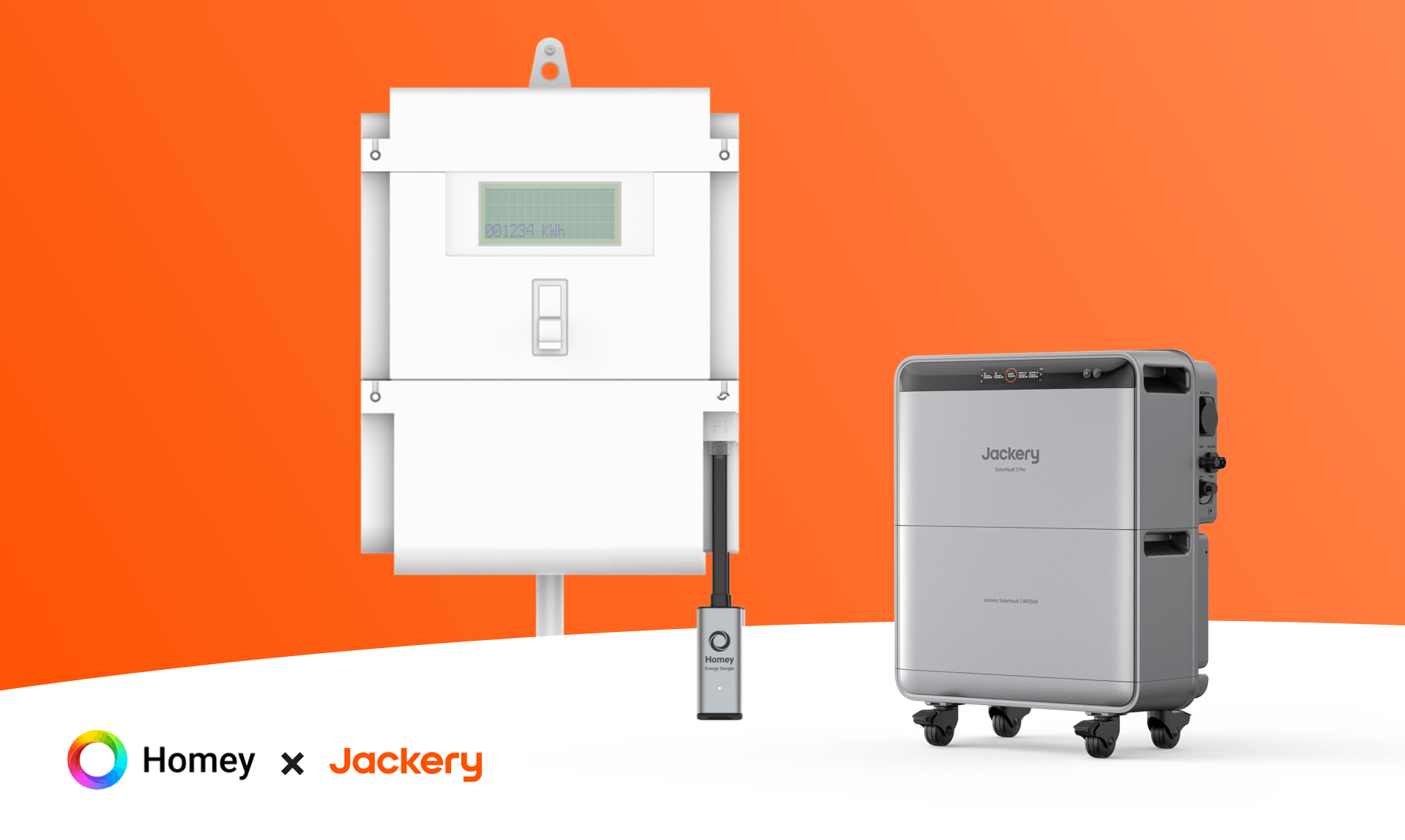
You first need to see peaks to avoid them. The P1 port of your utility meter provides real-time electricity data. You visualize this in Homey Energy with the Homey Energy Dongle. In the Homey Energy tab, you see your base load and momentary consumption along with any feed-in and the recognizable blocks of heavy consumers.
You will often spot patterns in the first week. The cooktop plus oven always causes a peak. The dryer right after the washer is just too much. The charger extends the peak when you least want it. That insight becomes your compass for automation in Homey.
Dampening Peaks with Rules
You turn insights into rules that flatten peaks with Homey Pro. Your house then responds to real conditions rather than just timers. For instance, you can have the EV charger automatically scale down when your total power exceeds a threshold. You can tell the smart plug on your dishwasher to wait until after the cooking is done. You can let a home battery kick in briefly when a peak threatens to exceed your limit. It stops discharging once demand drops. Everything runs locally and quickly so your control remains reliable.
You also define priority since cooking and safety always come first. Hot water can wait ten minutes while EV charging is flexible as long as your minimum departure level is reached in time. Set these priorities in Homey Flows so the system makes the same predictable choices in every situation.
Spreading Consumption Instead of Stacking
The easiest win is not running appliances simultaneously. You do not need a strict schedule since you can let Homey do the work. Start the dishwasher after the cooktop is off or alternate the washer and dryer with a short gap. Set the EV charger to run after dinner but before bedtime. This does not feel stricter but rather calmer. There are no power struggles or flickering lights to disrupt everything.
Combine spreading with solar logic if you have solar panels. Run schedulable devices during the day when you are feeding in so you use your own energy directly. Things stay calmer in your fuse box in the evening when peaks are more common.
Buffering with Your Home Battery
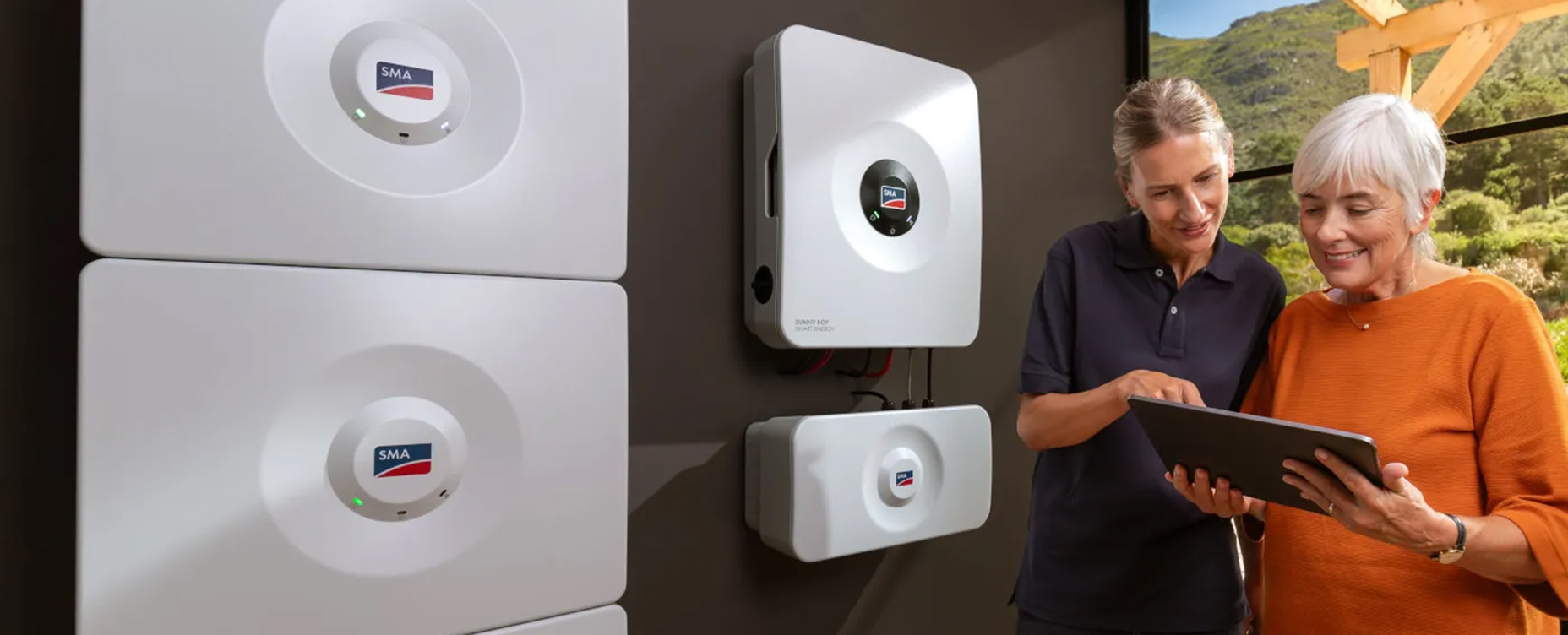
Buffering helps where spreading is not enough such as during cooking combined with a heat pump and EV top-up. A home battery can absorb part of the load for 15 to 60 minutes to keep total power under your threshold. Set this up subtly in Homey by defining battery ranges. You might ensure it does not discharge below 20 percent and avoids staying at 100 percent unnecessarily. Set a peak threshold where the battery may discharge if total power exceeds a specific wattage. This avoids sharp peaks without exhausting the battery with needless micro-cycles.
Let the battery quietly charge toward a target SoC in the afternoon when solar output is high or prices are low. That charge acts like an air cushion during the evening rush. It provides just enough energy to let your big devices do their job without triggering a disruptive peak.
Setting Comfort as a Requirement
Good peak shaving is something you mostly do not notice. Your heating stays comfortable while the kitchen works as expected and your car has the range you need by morning. You get there by defining rails. Set temperature bands per zone for your smart thermostat. Set departure time and minimum SoC for your EV. Use healthy ranges for your battery and only discharge when it adds value. Set silent hours when big devices should not run to ensure peace and quiet. Homey optimizes your peak profile within these rails so no daily puzzles are required.
Seeing a Day of Peak Shaving
Homey Energy shows your feed-in rising around noon. The smart plug on the washing machine starts while the heat pump boiler gets a brief charge and your home battery fills to the target SoC. The cooking block starts at 1745 hours. Homey automatically reduces EV charging and sets the dishwasher to wait. The dishwasher gets the green light once the stove is off. The battery smooths the power just enough to stay below the threshold if there is a short dip. The rush is over by 2100 hours. The charger resumes normal operation and your peak graph is impressively flat. You did nothing because your house did the work.
Building Your Smart System
Start by observing. Connect the Homey Energy Dongle and monitor your power for a week. Do not record every number but rather spot patterns. Create two or three simple rules such as reducing EV charging at a set peak or delaying the dishwasher until after cooking. Let the home battery kick in above your threshold. Refine it once that is running by adding a solar trigger for schedulable devices. Add a minimum SoC for your EV and a comfort band for your thermostat. Your system grows organically without becoming overwhelming.
Using Devices that Make Peak Shaving Easier
You do not need a new house to start since a few building blocks go a long way. Smart plugs let you control and monitor appliance loads. A smart thermostat with zones avoids unnecessary simultaneous heating. An EV charger with load balancing and a pause function is gold. A home battery is the cherry on top even though it is not essential to start. It is ideal to smooth out peaks and shift cheap or solar energy over time. Everything comes together under Homey Pro control.
Flattening Peaks while Keeping Your Home Relaxed
Peak shaving is not about less comfort but about better timing. You prevent large consumers from clashing and use your own or cheap energy at the right time. In Homey Energy, you see your peaks coming with the Homey Energy Dongle and automate the response with Homey Pro. You carry it out with devices from the guide including smart plugs and thermostats along with EV chargers and home batteries. The result is a calm and efficient home especially when it matters.
Start today with P1 insights and set a few simple rules. Let Homey do the rest. You will see the difference in your graph within a week and feel the peace it brings to your home.
FAQs
What exactly is peak shaving?
Peak shaving is lowering or avoiding short, high power peaks in the home. You do this by spreading device usage and temporarily supplying extra power from a home battery. This keeps your total power below your threshold—without losing comfort.
Why are power peaks such a problem?
Peaks stress your circuit panel, increase the risk of shutdowns, and make it harder to benefit from cheap quarters or solar energy. Plus, many EV chargers, heat pumps, and kitchen devices demand a lot simultaneously—peak shaving keeps that smooth.
How does Homey make my house respond to a peak?
Through the P1 port, Homey sees your live total power. If it exceeds a set threshold, Homey can automatically reduce EV charging, pause a dishwasher or boiler, or let your battery assist. This happens locally, quickly, and predictably.
Do I need a home battery to reduce peaks?
No. Spreading alone brings great results. With smart plugs, a thermostat, and an EV charger, you can already avoid peaks. A home battery strengthens the effect by supplying temporary extra power without burdening the grid.
How does Homey decide which devices have priority?
You set that yourself. In flows, you specify that cooking, safety, and comfort always come first. EV charging or hot water can wait. Homey follows these priorities automatically, applying the same logic in every scenario.
Can solar panels help with peak shaving?
Yes. During the day, run schedulable devices (washer, dryer, dishwasher) during sunny periods. That reduces the load in the evening and avoids peak demand in busy hours.
What does the home battery do during a peak?
If power exceeds your set limit, the battery can cover part of the load briefly. This keeps your peak under control. Once the surge passes, discharging stops automatically—preserving the battery’s health.
How do I protect the battery from too many cycles?
If power exceeds your set limit, the battery can cover part of the load briefly. This keeps your peak under control. Once the surge passes, discharging stops automatically—preserving the battery’s health.
Does this work if my internet goes down?
Yes. Homey Pro runs all your automations locally. As long as devices are reachable locally, peak detection via P1 and device switching continue as normal. Your home keeps responding smartly—even offline.
How do I start peak shaving if I haven’t set anything up yet?
Begin with insights via the Homey Energy Dongle (P1). Monitor your power for a week and spot recurring peaks. Then make one or two simple flows: reduce EV charging during a peak, delay the dishwasher after cooking. Later, add the battery and solar logic.
Glossary
Peak Shaving
The strategy of reducing power consumption during intervals of maximum demand to avoid spikes and potential grid strain.
Base Load
The constant level of electricity usage in a home from devices that run continuously like refrigerators and routers.
Load Balancing
A technique used to distribute available electrical power across multiple devices to ensure the main connection is not overloaded.
P1 Port
A standard connection on smart meters that allows for the real-time retrieval of energy consumption and feed-in data.
State of Charge (SoC)
The current energy level of a battery expressed as a percentage of its total storage capacity.


