





433 MHz vs 434 MHz Explained: What's the Difference?
If you look at smart home devices sold in different regions, you will notice that they often use different radio frequencies. Some devices are labeled as using 433 MHz, others 434 MHz, while devices in the United States often rely on 315 MHz or 915 MHz instead.
This can make smart home setups feel confusing, especially when mixing devices from different markets. In practice, these differences are not about better or worse technology. They exist because radio frequencies are regulated differently around the world.
This article explains what 433 MHz and 434 MHz really mean, why usage differs between the US and Europe, and what that means for smart homes today.
433 MHz and 434 MHz are not separate systems
Despite how they are often described, 433 MHz and 434 MHz are not distinct consumer technologies. Both terms usually refer to the same frequency range, which is roughly 433.05 MHz to 434.79 MHz.
Most consumer devices operate specifically at 433.92 MHz, which sits near the middle of that range. Manufacturers may label this as 433 MHz or 434 MHz depending on convention, rounding, or documentation style.
In practice, they are referring to the same band. Whether you see 433 MHz remotes, 434 MHz sensors, or 433.92 MHz transmitters, they are almost always operating in the same part of the spectrum.
Why This Frequency Became Popular
The 433 MHz range has been used for decades because it works well for simple wireless communication. It offers good range at low power, reasonable penetration through walls, and inexpensive hardware.
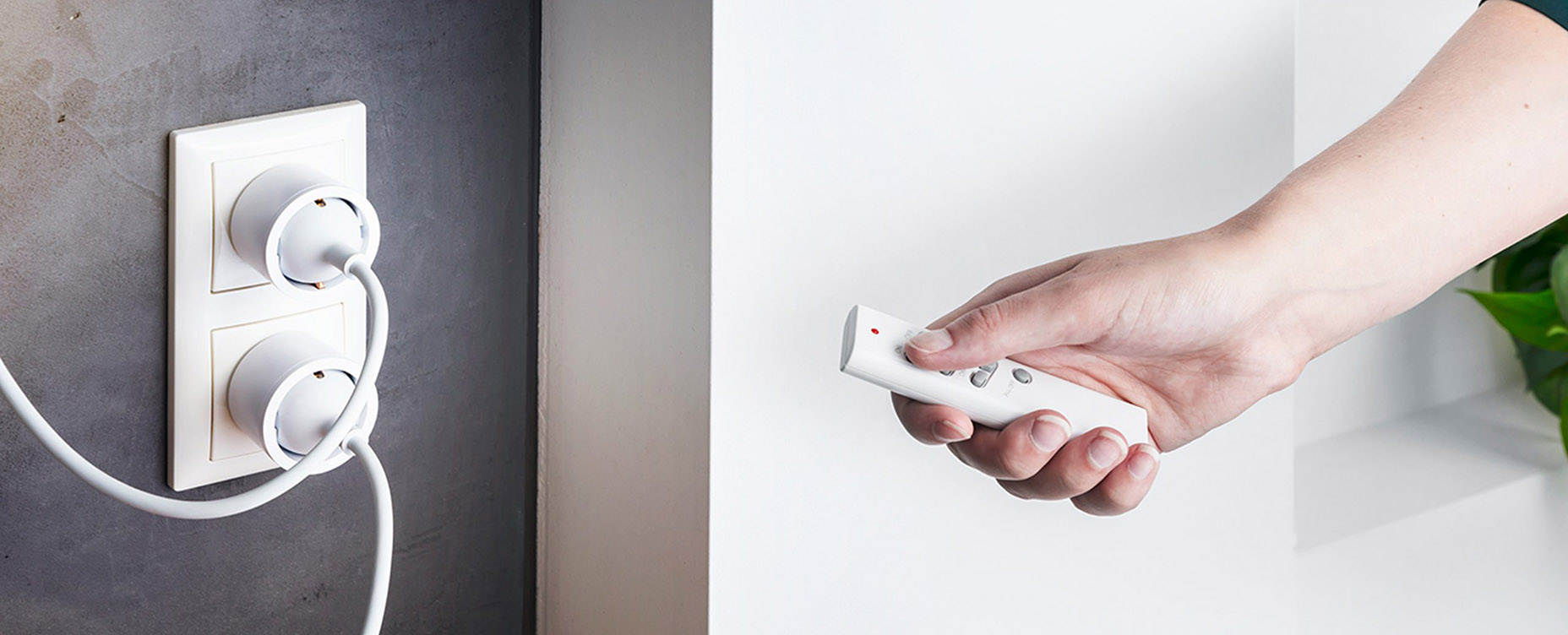
This is why it is commonly used for remote controls, doorbells, temperature sensors, and simple switches. Most of these devices send short, one-way signals.
They do not discover other devices, do not report their state, and do not use encryption. This makes them simple and reliable, but also fundamentally different from modern smart home standards.
How Are Radio Frequencies Regulated
Radio frequencies are a shared resource. To prevent interference between broadcasting, aviation, emergency services, and consumer electronics, governments regulate who can use which parts of the spectrum.
In the United States, this is handled by the Federal Communications Commission (FCC). In Europe, regulations are coordinated through organizations such as the ETSI.
Because these authorities made different decisions over time, the frequencies available for consumer devices differ by region. This leads to the variations we see in the market today.
Why Europe uses 433 MHz widely
In most of Europe, the 433 MHz range is part of the unlicensed ISM band. Devices can use it without an individual license as long as they follow strict limits on transmission power and duty cycle.
This made 433 MHz attractive for low-cost, short-range devices. It became widely adopted in home automation, sensors, and garage remotes. As a result, many European smart home products still rely on this band today. It remains a standard for basic wireless connectivity across the continent.
Why the United States is different
In the United States, 433 MHz is not a general-purpose, license-free band for consumer devices. Much of the sub-1 GHz spectrum in the US was already allocated for military or commercial use by the time consumer products became common.
IThat’s why the US commonly uses:
- 315 MHz for simple remotes (such as garage doors and car keys)
- 902–928 MHz for many IoT and smart home technologies
Devices designed for the European 433 MHz band are sometimes sold in the US. However, they often operate under stricter limits or were never intended specifically for that market.
Why 434 MHz sometimes appears in US contexts
You may see references to 434 MHz in US documentation or online discussions. This usually happens because manufacturers list 434 MHz instead of 433.92 MHz due to rounding or labeling differences.
Additionally, products designed for European markets are sometimes sold globally without changing radio hardware. Some people also use 434 MHz as a shorthand for the broader 433 MHz range.
It does not mean there is a distinct, US-specific 434 MHz smart home band. The technical hardware inside is usually identical to European versions.
Which of these bands does Homey support?
Homey is designed to work with the smart home technologies that are commonly used in each region. Because radio frequencies are regulated locally, support depends on the Homey model and the region it’s sold in.
In general, Homey supports the bands and technologies that are legally available and widely used in your region, rather than trying to force a single global setup.
Sub-1 GHz bands
In Europe, Homey Pro supports 433 MHz and 868 MHz ranges. This allows users to control simple legacy devices as well as modern Z-Wave sensors designed for the European market.
In the United States, Canada, and South Korea, 433 MHz transmission is disabled in software. While the hub may have the hardware, it cannot legally send signals to 433 MHz devices in these regions.
Instead, American models focus on the 902-928 MHz range for Z-Wave. This ensures that the hub stays within legal limits for radio power and duty cycles while providing strong connectivity for modern sensors.
2.4 GHz and higher bands
Homey Pro also supports technologies that use globally available bands such as 2.4 GHz. This includes Wi-Fi–based devices, Zigbee, Thread and Bluetooth.
These technologies are not affected by regional frequency differences in the same way sub-1 GHz bands are, which makes them easier to use across different markets.
What this means for modern smart homes
From a smart home perspective, the exact number printed on the box matters less than how the device behaves. Devices using 433 MHz or 434 MHz typically send one-way signals and do not report their actual state back.
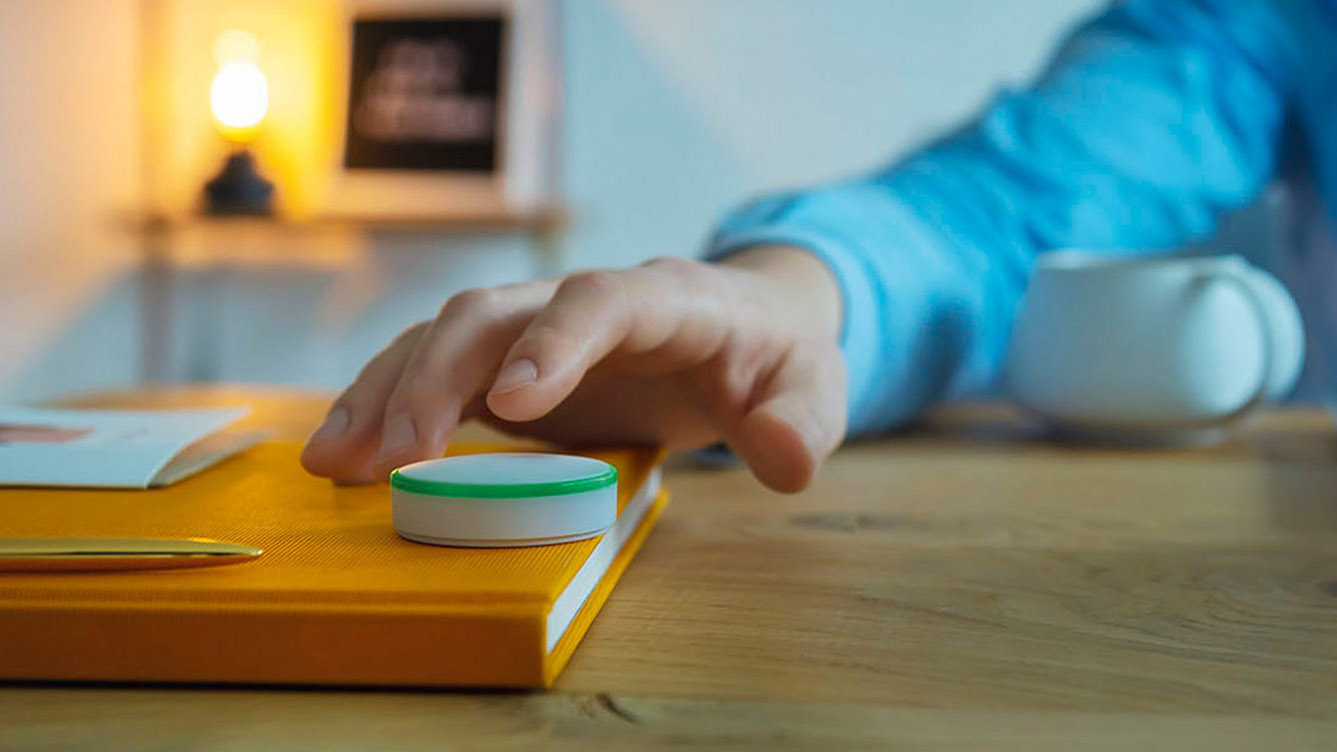
These devices do not support secure pairing or discovery. This makes them fundamentally different from technologies like Zigbee, Z-Wave, or Matter. Modern smart home platforms treat these devices as signal-based rather than state-based. Their actions can still be useful, but they need translation rather than direct integration.
For people building or expanding a smart home, this has a few practical consequences. Devices bought in one region may not be usable in another because products are sold with different regional radio settings.
This is also why systems like Homey support multiple technologies and frequencies. The system adapts to what is legally and practically available in each region instead of assuming one standard.
In short
- 433 MHz and 434 MHz usually refer to the same frequency range
- Most devices operate at 433.92 MHz
- Europe allows widespread unlicensed use of this band
- The US generally does not, preferring 315 MHz and 915 MHz instead
- Differences are regulatory, not technical
- These devices remain useful, but require translation to work with modern smart home standards
Understanding this helps set realistic expectations — especially when mixing older wireless devices with newer standards like Matter.


