




What Is a Smart Home System?
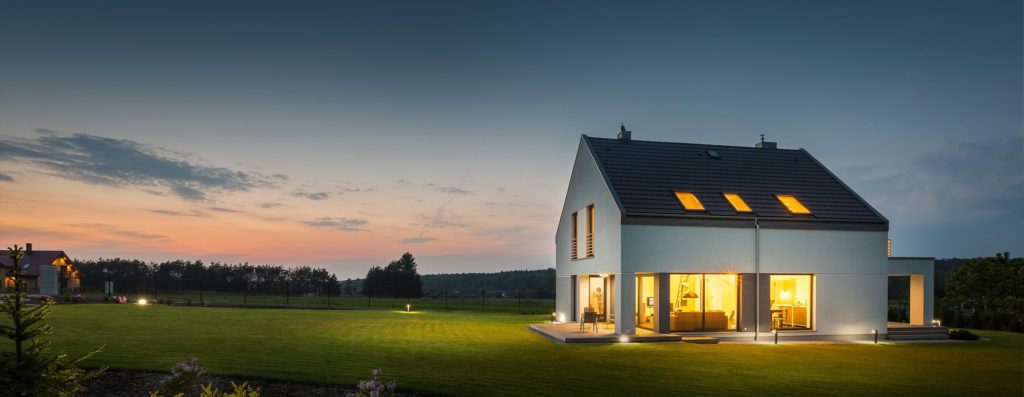
A smart home system is a connected setup that allows devices such as lights, thermostats, sensors, locks, blinds, cameras, speakers, and appliances to work together.
Instead of controlling every product separately, a smart home system brings them together in one place. This makes it possible to control devices through an app, monitor what is happening in your home, and create automations that respond to your routines, preferences, or changing conditions.
For example, a smart home system can automatically turn off the lights when everyone leaves, lower the heating at night, close the blinds when it gets dark, or warn you when a door is left open.
What Is a Smart Home System?
A smart home system is a complete setup that combines devices, wiring, controls, and software into one package. Complete smart home systems are usually installed by a professional rather than pieced together by the homeowner. That's part of why smart home systems can get complex and expensive, with some elements built right into the house itself.
You'll usually find them in larger homes, apartment buildings, offices, and new construction, where the installation gets planned alongside the rest of the build. Because they often rely on specific hardware or fixed wiring, they don't leave much room to add devices from other brands down the line.
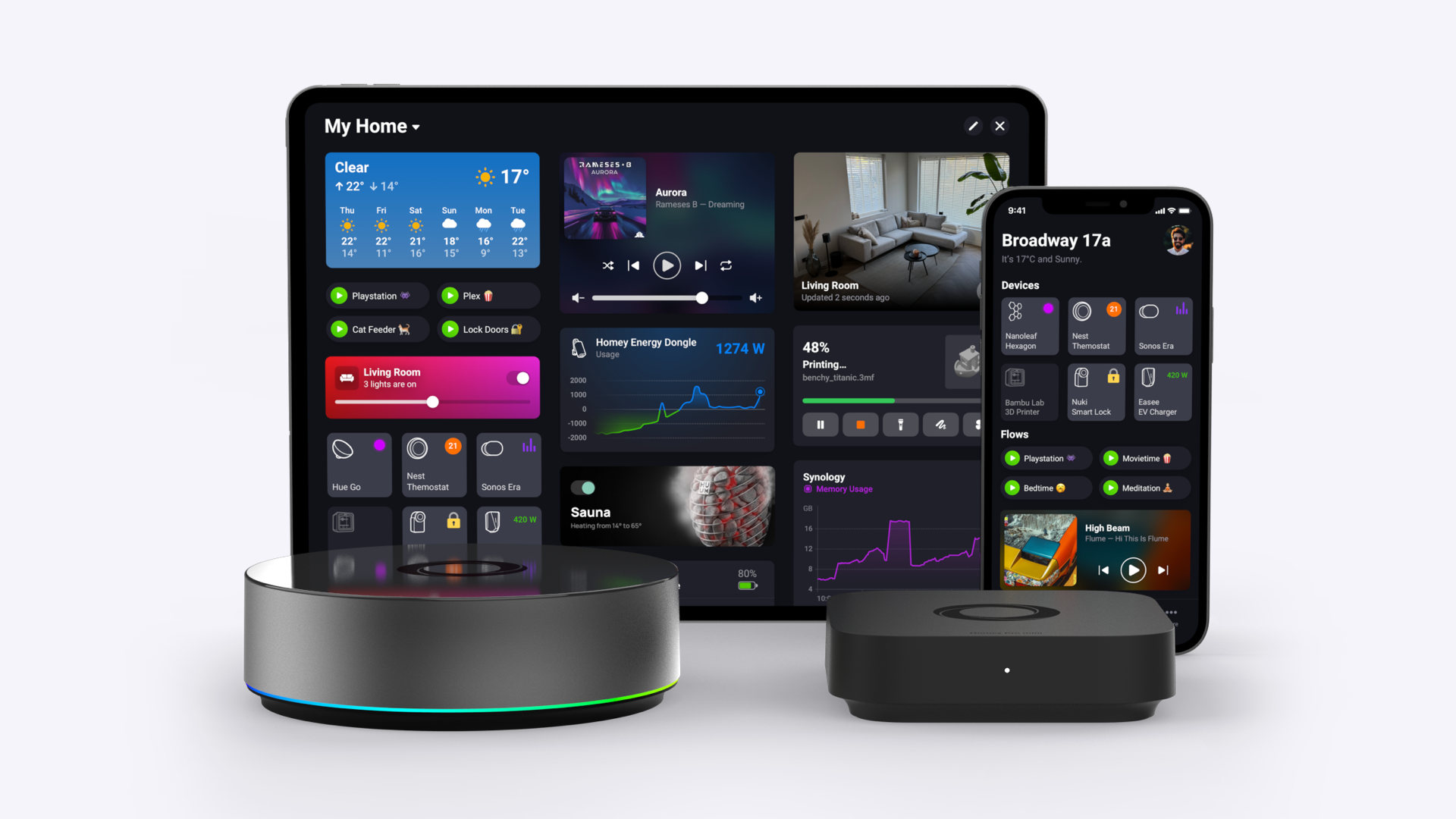
A smart home platform refers to something different. It's a software based solution, and it relies on a smart home hub, an app, integrations, and automation tools working together to connect and control your existing devices. A smart home platform works best when it stays brand agnostic, since that lets you combine products from different manufacturers and technologies instead of locking you into one system. Homey is built around this idea.
In some markets, you might also come across the word domotics. It's the English version of a term commonly used in Europe to describe simpler functions like automated lighting, heating, blinds, and basic security. You might also encounter this term as domotique in French, domótica in Spanish or domotica in Italian and Dutch.
How Does a Smart Home System Work?
A smart home system creates a central environment in which devices can communicate and work together. Without a central system, every device may have its own app, account, settings, and automation options. You might use one app for your lights, another for your thermostat, another for your security system, and another for your energy devices.
A smart home system brings these separate products together.
The system receives information from connected devices, processes that information, and takes action based on commands or automations. A motion sensor, for example, can tell the system that someone has entered a room. The system can then turn on lights from a different brand, adjust the thermostat, or start playing music.
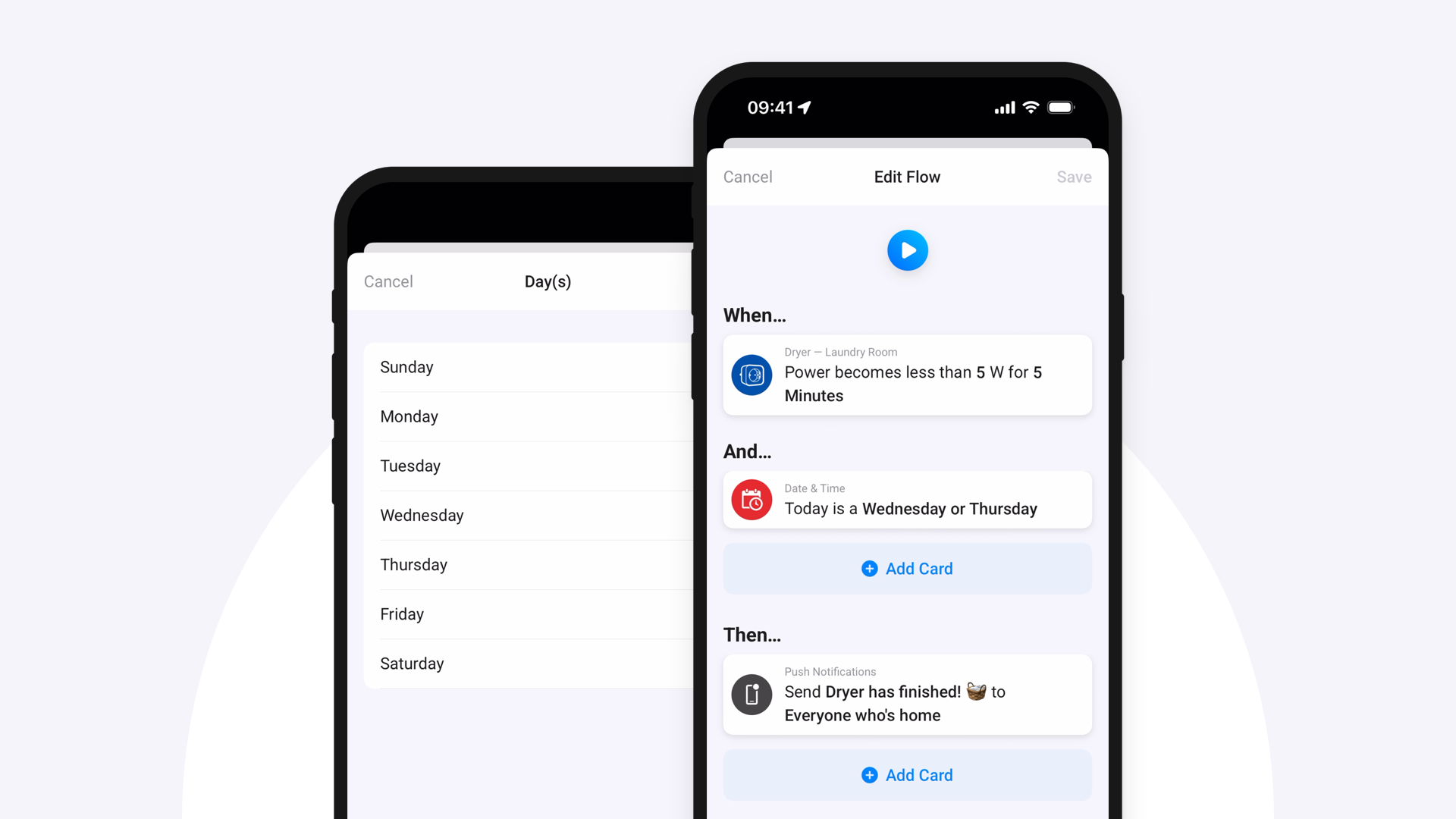
Most smart home automations follow a simple structure. When something happens, perform one or more actions. For example:
- When someone arrives home, unlock the door and turn on the hallway lights.
- When the last person leaves, switch off all lights and lower the heating.
- When electricity prices are low, start charging an electric vehicle.
- When a smoke alarm is triggered, turn on the lights and send a notification.
- When the sun sets, close the blinds and turn on the outdoor lighting.
More advanced systems can also use conditions, delays, energy prices, weather data, device states, and multiple triggers to create sophisticated automations.
What Makes a Good Smart Home System
Smart home systems come in all shapes and sizes. Some only work with one brand or one technology, while others try to do everything and end up too complicated for most people to set up. A good smart home system does a few things well.
- Connects to your devices. As many as possible, without needing extra gateways or workarounds.
- Automates your home. Combines devices into flows instead of controlling each one on its own.
- Gives you insight. Shows what's happening in your home and how your devices are behaving over time.
- Has a usable interface. A system nobody can figure out isn't much use to anyone.
- Respects your privacy. Keeps the data your home generates away from advertisers and data brokers.
A great smart home system like Homey effortlessly runs your daily routines, tracks how your home functions, and stays simple enough for anyone to use. Above all, it keeps your private data completely safe from outside eyes.
Choosing the Right Smart Home System
A few things matter most when picking a system, even though some of it comes down to personal taste. Here are 5 things to consider when choosing the right smart home system.
Device Compatibility
The more devices a system supports, the less likely you are to get boxed in later. If you pick a system tied to one brand or one wireless standard, every future purchase has to fit that same ecosystem. A smart home system built to work with a wide range of devices gives you room to buy what you actually want, not just what happens to be compatible. Homey is compatible with over 50.000 devices from over 1000 different brands.
Automation Ease of Use and Flexibility
Some systems hand automation entirely to an installer, so any change means calling someone back out to your house. Others put that control directly in your hands through an app, letting you build and adjust routines whenever your needs shift. The second approach tends to hold up better over time, since a household rarely stays the same for long.
Homey covers both ends of that spectrum with Flows and Advanced Flows. Flow keeps things simple and friendly for everyday routines, and Advanced Flow opens up more flexibility and possibilities for when you want finer control.
Interface and Everyday Use
Interface usability ties a good smart home system together. Any system can support every wireless technology out there, but if it takes an expert to configure everything, most people won't get much use out of it. The same goes for automation. If you know how to code, you can automate almost anything on your own, but a good smart home system should also work for everyone else, not just the people who can code.
Local Control and Privacy
Where your data goes and how much your system depends on the cloud matters more than people tend to expect going in. A system that can keep running locally, even during an internet outage, offers more reliability day to day. It also tends to give you more say over what happens with the data your home generates.
Room to Grow
A smart home rarely stays fixed at whatever size it started at. A system chosen for ten devices today might need to handle thirty within a year. Picking one built to scale, both in the number of devices it handles and the complexity of automations it supports, saves you from outgrowing your setup and having to start over.
Homey as a Smart Home System
As a smart home system, Homey comes in a few different shapes, depending on how much hardware you want and how much control you want over where it runs.
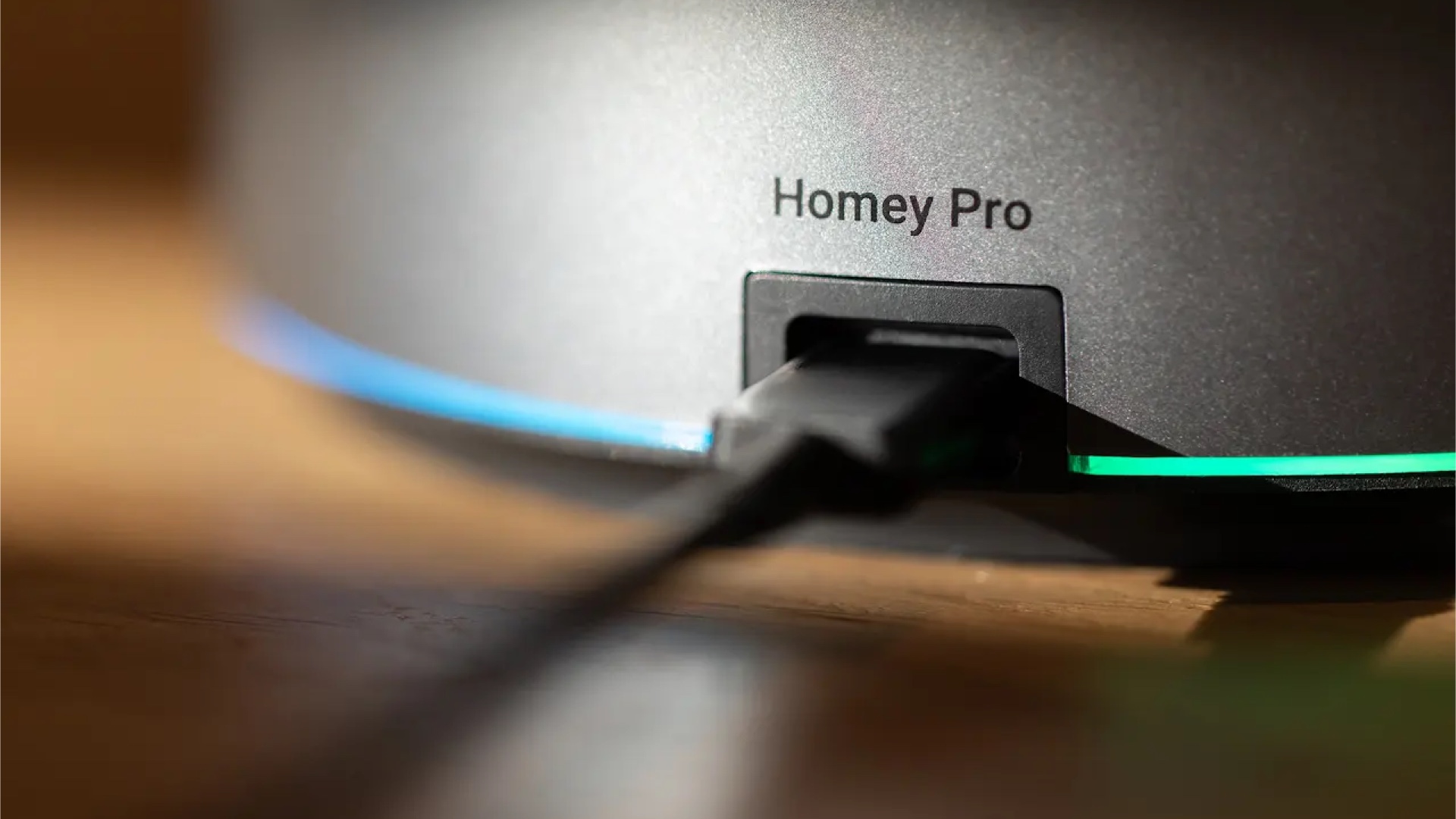
- Homey Pro is an advanced smart home hub, which covers every major wireless standard in one device while running mostly on its own, with minimal reliance on the cloud.
- Homey Pro Mini offers a cheaper way to get started, keeping things local while covering the essentials for a smaller or simpler home.
- Homey Self-Hosted Server runs the same software as Homey Pro, but on hardware you already own, such as a Raspberry Pi, a NAS, or a home server, giving you full control over where your smart home actually runs.
- Homey Cloud skips the hardware entirely, running everything through the app so you can get started for free without buying a hub at all.
All four work the same way underneath. Homey connects with devices from more than 1,000 brands, so you're not stuck hunting for workarounds. Flow ties those devices together into automations that span different brands and technologies, from simple routines to more complex ones. Homey Insights and Homey Energy show you what's happening in your home and how much energy it's using. And the Homey app keeps all of it easy to use, even if you've never written a line of code.
Smart Home Technologies Supported by Homey
Smart homes often use multiple wireless technologies and platforms. As a powerful smart home hub, Homey supports a wide range of communication standards, including Zigbee, Z-Wave, Matter, Thread, KNX, 433 MHz, Wi-Fi, Bluetooth and Infrared.
Homey also integrates with popular smart home platforms such as Amazon Alexa, Google Home and Apple Home. By combining multiple technologies and platforms in one system, Homey allows devices from different ecosystems to work together in one flexible smart home setup.
Smart Home System Synonyms
There's no single name for the device at the center of a smart home, so a lot of terms end up pointing to the same thing. You'll come across smart home controller, home automation hub, home automation controller, smart home gateway, home controller, connected home hub, home control system, home automation system, smart home centre, central smart home controller, multi-protocol hub, universal smart home hub, and local smart home controller.
Here's a reference table of different terms for a smart home system in several languages:
s between countries.
| Market | Common terms | Notes |
|---|---|---|
| Netherlands | smart home-hub, slimme thuishub, domoticahub, woningcontroller, slimme woningcentrale | Slimme thuishub is consumer-friendly. Domoticahub and woningcontroller sound more technical or professional. |
| France | hub domotique, box domotique, centrale domotique, passerelle domotique, contrôleur domotique | Box domotique is commonly used. Passerelle usually means gateway and may describe a more limited role. |
| Spain | hub domótico, central domótica, controlador domótico, centro de control del hogar, pasarela domótica | Central domótica and controlador domótico are clear local terms. |
| Italy | hub domotico, centralina domotica, controller domotico, centro di controllo smart home, gateway domotico | Centralina domotica is widely understood but can sound technical or installation-focused. |
| Norway | smarthushub, smarthussentral, smarthjem-hub, styringssentral for smarthus, smarthuskontroller | Smarthussentral is a strong local-language term, while smarthushub sounds modern and accessible. |
Whichever term you run into, it usually describes the same role: one central place that connects, automates, and keeps track of the devices in your home.
FAQ
What is the difference between a smart home system and a smart home platform?
A smart home system is a complete solution that combines devices, wiring, controls, and software into one package, often installed by a professional. A smart home platform is software based, relying on a hub, an app, integrations, and automation tools working together, and works best when it stays brand agnostic so you can combine products from different manufacturers.
What does the term domotics mean?
Domotics is the English version of a term that never became as common as home automation or smart home. It comes from the Latin word domus, meaning home, and gained popularity in Europe during the 1980s to describe simple automated functions like lighting, heating, blinds, and basic security.
How many devices is Homey compatible with?
Homey is compatible with over 50,000 devices from more than 1,000 different brands.
What is the difference between Flow and Advanced Flow in Homey?
Flow keeps automation simple and friendly for everyday routines, while Advanced Flow opens up more flexibility and possibilities for when you want finer control over your automations.
What are the different ways to run Homey?
Homey comes in a few different shapes. Homey Pro is the main hardware hub, Homey Pro Mini is a cheaper way to get started, Homey Self-Hosted Server runs the same software on hardware you already own, and Homey Cloud skips hardware entirely and runs through the app.
Glossary
Smart Home System
A complete solution that combines devices, wiring, controls, and software into one package, often installed by a professional and sometimes built into the property itself.
Smart Home Platform
A software-based ecosystem where a hub, an app, integrations, and automation tools work together to connect and control devices, ideally in a brand-agnostic way.
Domotics
The English version of a term for home automation, derived from the Latin word domus, meaning home. It gained popularity in Europe during the 1980s to describe simple automated home functions.
Flow
Homey's simple, friendly way to build automations by combining devices into routines, designed for everyday use.
Advanced Flow
Homey's more powerful automation tool, offering greater flexibility and control for users who need more complex logic than standard Flow provides.


