




Make Your Home a Calm Sanctuary with Homey and Smart Tech
In our always-on world, our homes often become extensions of the buzz, the push notifications, the bright lights and constant pings. But what if your home could instead be a place of restoration, a sanctuary? A place where everything works so seamlessly you hardly notice the technology — you simply feel the effect: less stress, deeper rest, better focus.
This is the idea behind a low-stimulus home: a living space designed not to overload our senses, but to support our well-being. With a smart home platform like Homey at the center, you can turn that vision into reality. You’re not just automating lights and plugs — you’re creating an environment that listens, adapts and calms.
Let’s walk through how you can use Homey to build a home that does less of the noise-and-distraction, and more of the ease-and-calm.
What a Low-Stimulus Home Really Means
A low-stimulus home is not about living in silence or darkness. Instead it’s about reducing unnecessary sensory loads: the flicker of bright overhead lights, the thrum of appliances, the ping of every notification, the abrupt temperature swings that pull us out of restful states. These little tensions add up and affect how well we sleep, how deeply we focus, how peacefully we feel.
In such a home, lighting shifts gently, rhythms feel predictable, sound zones adjust without a button, and your body’s nervous system gets to relax instead of being alert all the time. Homey allows you to automate and calibrate that quietly.
Smart Lighting That Supports Your Mood
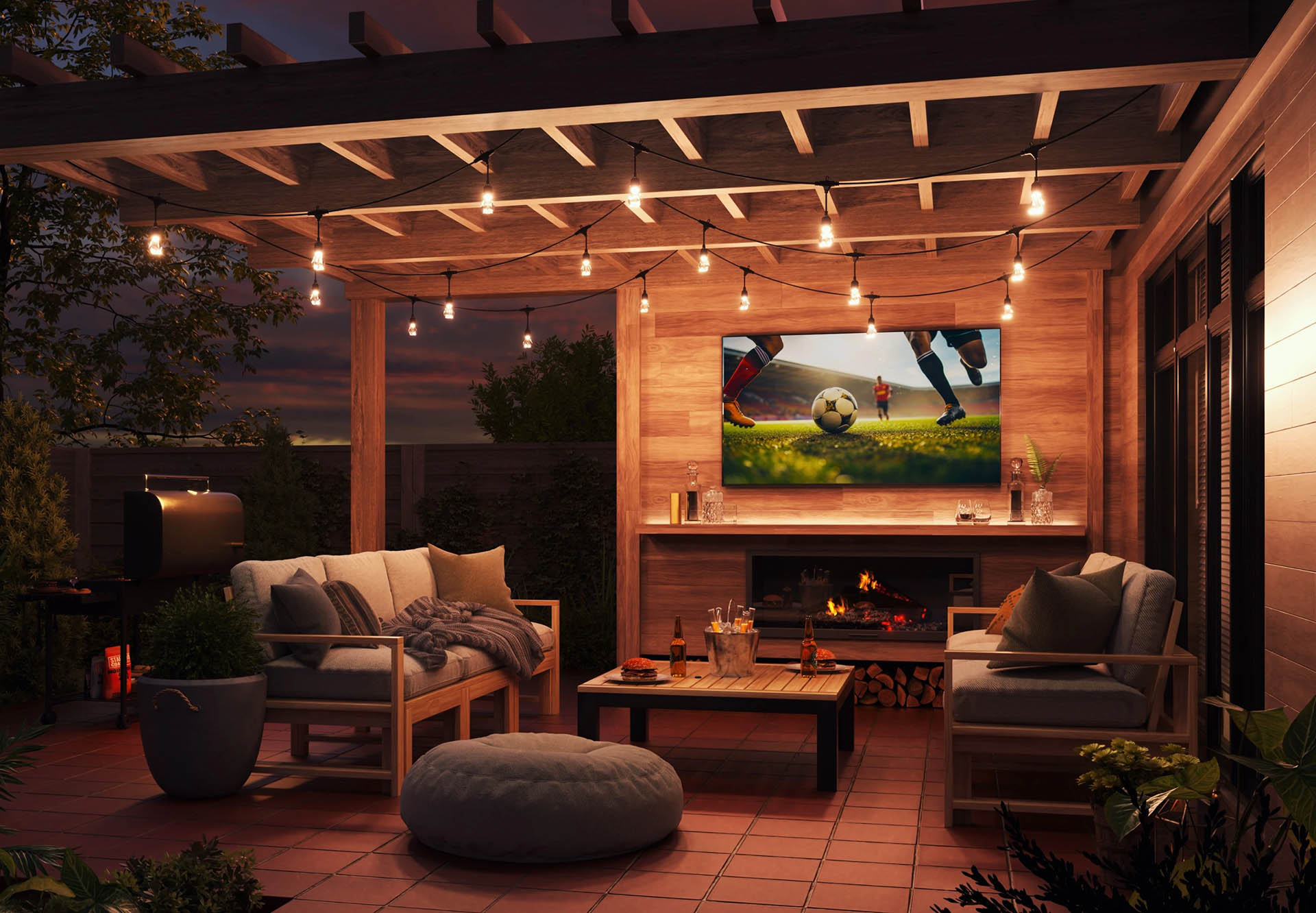
Lighting has huge impact on how you feel. When we’re exposed to harsh bright white light in the evening or lights that stay on unexpectedly, our bodies respond. But when lighting adjusts to the time of day — cooler and brighter in the morning, warmer and dimmer in the evening — we feel more naturally aligned with our rhythms.
With Homey you can set up flows such as:
- Morning light slowly brightening from warm to cool tones as you wake up
- Evening mode where lights softly fade, color temperature shifts to warmer tones and certain lights turn off automatically when rooms go empty
- Movie or wind-down scene where light is dim, colour adjusted, devices muted
These simple adjustments change how the home feels. The repetition of a calm lighting routine invites relaxation and signals your body it’s okay to notice stillness.
Harmonized Sound Environments
Noise is often overlooked in smart homes. A beep here, a timer buzz there, appliances all humming — our auditory system is busy even when we’re still. Smart home tech lets you turn that down.
With Homey you might:
- Automatically reduce speaker and TV volume after a certain hour
- Play gentle ambient or white noise when you’re winding down or working
- Suppress non-essential notifications during focus periods or sleep hours
- Use sound cues instead of harsh alerts for less intrusive signaling
When your home speaks more softly, your mind can rest more deeply and distractions recede.
Climate & Temperature that Responds Without Fuss
Temperature swings, noisy fans or air-conditioning units, and constant adjustments can all contribute to a subtle sense of unrest. In a low-stimulus home you want climate control that works without demanding your attention.
Homey gives you the tools to:
- Set your HVAC or smart thermostat to calm modes at evening, adjust humidity and airflow when rooms are empty or occupied
- Schedule appliances or fans to run quietly when the house is asleep or when no one’s home
- Ensure temperature remains stable rather than fluctuating unexpectedly
When you don’t have to manage the climate manually, your home becomes more restful.
One App, One Interface, Less Mental Clutter
In many homes, the smart tech quickly becomes a mess: lots of apps, lots of hubs, lots of remotes. That alone adds mental load. A truly calm home minimizes that. Homey brings your devices into one interface, simplifies control and removes layers of complexity.
You’ll notice the difference when:
- You control lights, blinds, climate and entertainment from one place
- Voice assistants are optional, not required — you choose how you interact
- Scenes and routines reduce the number of decisions you have to make every day
Less cognitive friction means your home supports you rather than demands you.
Creating Predictable Rhythms with Automations
Automation is more than convenience; it’s about creating gentle, supportive patterns. With Homey you can build routines that follow your day’s rhythm — morning, work, rest, sleep — and your home responds accordingly.
For example:
- At 7:00 AM blinds open, gentle lighting begins, ambient music plays
- At 10:00 PM lights dim, doors lock, sound zones fade, devices reduce notifications
- If the house is empty, non-essential devices turn off automatically to reduce noise and distraction
These are not flashy automations. They are simple, predictable actions that let your brain rest knowing your environment is handling itself.
How to Begin: Simple Steps That Make a Big Difference
Start small. Pick one space, one routine, one trigger and gradually build from there. Homey’s flexibility means you don’t need to overhaul everything at once.
Begin with:
- Identifying what causes your home to feel “too busy” — bright lights, too many sounds, manual temperature control
- Choosing one room where you spend a lot of time and automating it for calm (bedroom, living room)
- Installing dimmable smart bulbs or smart plugs, setting up a flow for evening mode
- Adding a sensor or timer to reduce noise or notifications during rest hours
- Keeping your control simple — one app, one voice assistant, one routine
As you experience calm, you’ll expand naturally.
Why Homey Is the Perfect Choice for a Low-Stimulus Smart Home
Homey isn’t just another smart hub. It’s built for complexity without friction and for combining devices across brands and protocols. For a low-stimulus home, that matters.
You get:
- Support for Zigbee, Z-Wave, Matter, Thread, Wi-Fi and Bluetooth — so you’re not locked in
- Local processing so automations run fast and reliably even if the internet drops
- Visualisation tools and Flow builder that keep your routines elegant and intuitive
- Freedom to pick devices based on well-being instead of protocol limitations
Your home becomes supportive without being obviously “smart” — that’s the sign of true quiet tech.
Conclusion
A home doesn’t need to scream its intelligence. The most effective smart homes whisper it. When your lights align with your body, your sounds fade during rest, your climate adjusts without your input and your control interface disappears into the background — that’s a home that serves your well-being.
With Homey at the heart of your system, building a low-stimulus, supportive environment is entirely practical. Choose one space, pick one routine, and let your home begin to feel calmer, more aligned and genuinely restful.
If you are ready to shift your home from distraction to sanctuary, start today.
FAQs
What is a low-stimulus home?
A low-stimulus home minimizes unnecessary sensory input, including light, sound, temperature fluctuations, and digital clutter, to create a calmer environment.
Can smart home tech really reduce stress?
Yes. Stable lighting, controlled sound, and fewer interruptions support better sleep, focus, and emotional well-being.
Which devices help first in creating a calm home?
Start with dimmable lighting, smart plugs for noise-making appliances, sensors for occupancy, and a smart controller like Homey.
Does local control matter in a low-stimulus setup?
Yes. Local processing means fewer delays, fewer cloud dependencies, and more reliable routines, resulting in fewer surprises and interruptions.
Can I use Homey with devices from many brands?
Yes. Homey supports multiple protocols and integrates many brands, letting you choose the devices you like rather than being locked in.
How do I keep digital clutter under control?
Use a single hub and app like Homey, turn off non-essential notifications in routines, and design your interface for simplicity.
Is sound control important in smart homes?
Yes. Sound often goes unnoticed but it affects mood, focus, and rest. Automating sound levels, white noise, and alerts helps build a calmer atmosphere.
Can a smart home really support better sleep?
Yes. Lighting cues matched to circadian rhythms, reduced noise, and consistent temperature all contribute to better sleep quality.
Do I need to automate every room at once?
No. Start with one key room and build gradually. Your home will become more supportive over time.
How do I maintain a calm smart home environment?
Revisit your routines periodically, keep physical spaces tidy, educate everyone in the household, and monitor energy and device behavior. Consistency turns setup into habit.
Glossary
Low-stimulus home
A living space designed to reduce unnecessary sensory loads, such as bright lighting, noise, and abrupt temperature swings, to support well-being.
Flow
A Homey automation that connects triggers, conditions, and actions.
Scene
A saved combination of device settings, such as lighting and sound, that can be activated at once to create a specific mood or setting.
Local processing
Automation that runs inside the home rather than depending on the cloud, so routines stay fast and reliable even if the internet drops.
Smart plug
A plug that can switch appliances on or off automatically, often used to manage noise-making devices on a schedule.
Smart thermostat
A connected thermostat that can be automated to keep temperature stable and adjust based on occupancy or time of day.
Zigbee
A wireless protocol used by many smart home devices to communicate locally with a hub like Homey.
Z-Wave
A wireless protocol used by smart home devices for local, low-power communication with a hub like Homey.
Matter
A smart home connectivity standard that allows devices from different brands to work together.
Thread
A low-power wireless networking protocol used by smart home devices, often paired with Matter.


