








Smart Heat Pumps Explained: Hybrid, Modulating and All-Electric
We all want a comfortably heated home, lower emissions, and the freedom from constantly fiddling with the thermostat. While heat pumps can certainly deliver this, the landscape of options is broad. You have hybrid solutions that work alongside your gas boiler, modulating systems that ramp up and down smoothly, and all-electric variants that eliminate fossil fuels entirely.
In this article, we have clearly laid out the differences, along with instructions on how to make each type run smarter and more efficient using Homey and the Homey Energy Dongle.
Hybrid Heat Pump: A Smart Intermediate Step
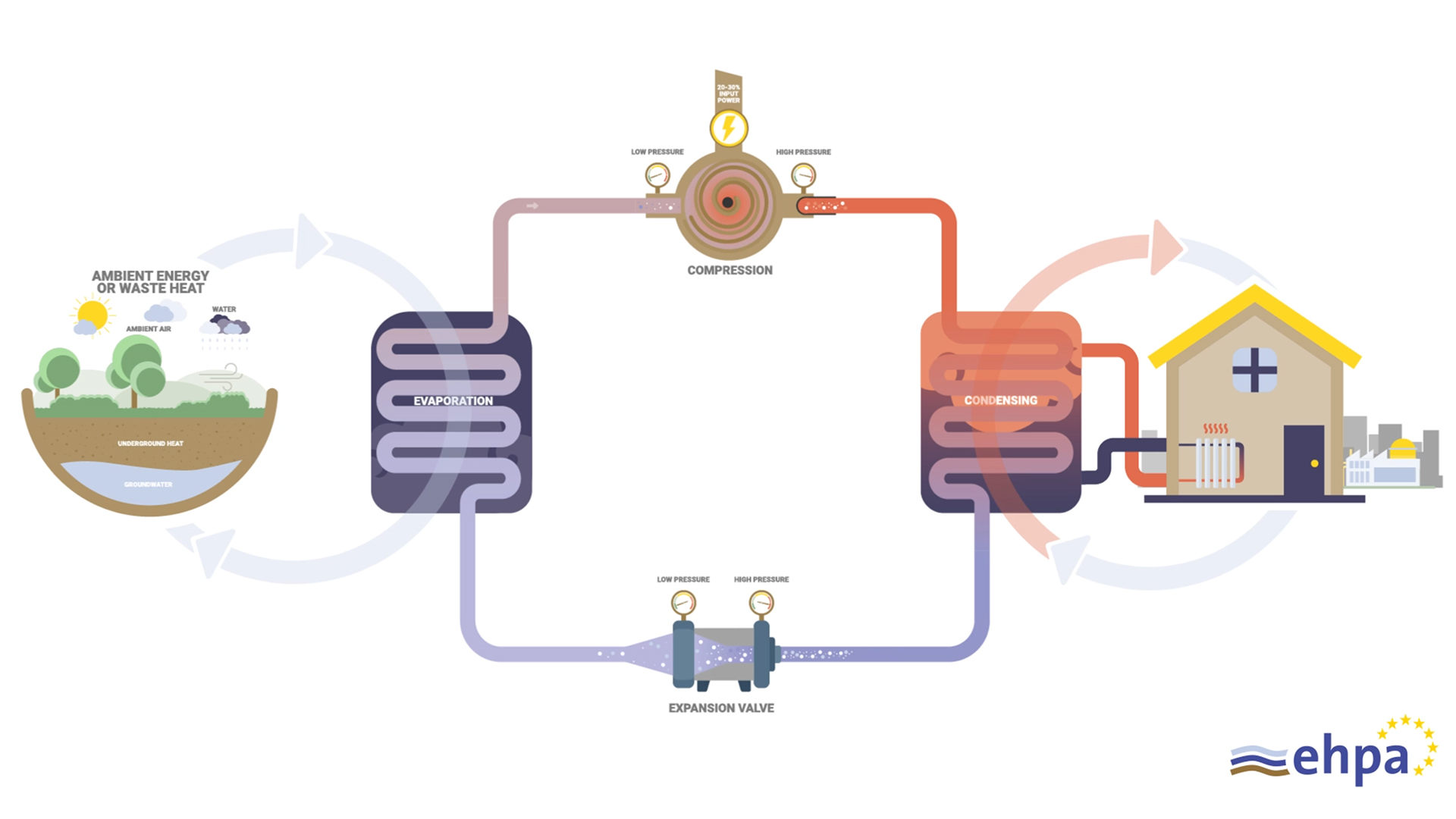
Hybrid heat pumps are designed to be installed alongside your existing boiler. In this setup, the heat pump handles the light and medium heating work, while the boiler only steps in when it is extremely cold or when you need a large amount of hot water quickly.
The major advantage of this approach is that you usually do not have to drastically modify your heat distribution system, yet you immediately reduce your fuel consumption. In practice, you simply configure the boiler as a "backup" and let the heat pump handle the majority of the running hours.
With Homey, you can turn these separate components into a coherent, unified system. You connect your smart thermostat, read your consumption and feed-in data via the Energy Dongle, and let Flows make small, smart decisions. This could mean pre-heating the living room on rainy afternoons, or temporarily lowering setpoints just after school and working hours to spread out the evening energy peak.
Furthermore, by using a simple smart plug, you can measure energy usage of auxiliary equipment like water pumps. You will see the effect right away in Homey Energy. Fewer peaks, a calmer usage pattern, and a lower meter reading.
When to choose this? This is the right choice if your home is not yet fully suitable for low-temperature heating, or if you want to quickly save energy without committing to a major renovation. A hybrid system feels familiar and delivers a lot of value with limited intervention.
Modulating Heat Pump: The Quiet Force Behind Comfort
Unlike traditional systems that switch strictly on and off, a modulating heat pump can adjust its output continuously to match the actual heat demand. Instead of abrupt on/off behavior, you get a calm, even heat output.
This characteristic fits perfectly with low-temperature heating (LTH), such as underfloor heating or large radiators, and is ideal for homes that are already reasonably well insulated. Additionally, modulating pumps means higher efficiency in everyday use because the system doesn’t have to "blast" hard each time just to bring the temperature up.
This is precisely where Homey excels at fine-grained HVAC control. You can create zone profiles—such as living room, home office, and sleeping floor—and work with "comfort rails." For instance, the living room stays within a specific band of 0.5–1 °C, bedrooms follow a softer night profile, and the home office aligns with your working hours.
Using weather forecasts, sun triggers and dynamic pricing, you can let the temperature gently increase only when it pays off. The Homey Energy Dongle lets you see live how the compressor responds, allowing you to refine your settings once per season and then simply leave it alone.
When to choose this? Choose this option if you have or plan to install LTH, and you want a quiet, predictable heat profile with as few peaks as possible. Modulating is essentially the sweet spot between comfort and efficiency.
All-Electric Heat Pump: Fuel-Free Where Possible
Taking it a step further, an all-electric heat pump fully replaces your water boiler. Consequently, your home runs entirely on electricity for both space heating and hot water. This requires good insulation and a heat distribution system that works effectively with low temperatures.
The reward for this transition is significant: you no longer use fossil fuels, and you can cleverly control your heat pump system based on solar generation or dynamic energy prices.
In combination with Homey, a fully electric rhythm emerges. Your heat pump pre-heats during solar generation surplus or cheap pricing blocks, the boiler tops up the water tank during the day, and your EV charger politely waits until after cooking is finished.
If you have a home battery, it acts as a cushion around the evening peak. Via Homey Energy, you can see at a glance what comes in, what goes out, and when you are feeding energy back to the grid. Your home feels calm and prepared, even on a cold, clear day.
When to choose this? This is ideal if your home is LTH-ready and you want to get off gas without sacrificing comfort. It works best in combination with solar panels, potentially dynamic prices, and optionally a home battery.
How to Make Each Type Perform Better with Homey
While the hardware differs, the principles remain the same across all types—only the emphasis changes. In all cases, you start with insight and treat comfort as a hard boundary.
Insights via Energy Monitoring
With the Homey Energy Dongle, you make your consumption, feed-in, and baseload visible. You can recognize compressor starts, see peaks, and immediately see the effect of any changes you make. This data becomes the anchor for all your Flows.
Comfort Rails in Zones
Your smart thermostat monitors temperature bands per room, while open-window detection and presence sensors make the system human-centric. You don’t need micromanagement here; maintaining steady bands and calm behavior yields better results than chasing tenths of a degree.
Pre-Heating Where It Pays Off
If you have solar panels or a dynamic pricing contract, you can shift heat production to sunny or cheap time blocks. A small bump in the temperature of the thermal mass of floors and walls means less output is needed in the evening—and thus fewer cost peaks generated from your heat pump.
Peak Shaving Without Hassle
You can let the EV charger throttle back during cooking or shower peaks, start the dishwasher after dinner, and give the heat pump priority when comfort requires it. With Homey and a few smart plugs, you can orchestrate these loads effortlessly.
Smart Hot Water Planning
With Homey and PV generation, you can configure the heat pump boiler to charge during the day when output is highest. This allows you to maintain comfort throughout the day while reducing purchased energy during expensive hours.
Which One to Choose and How to Build Up Gradually?
Think of this process as a path.
- If you are starting from a conventional boiler system, hybrid is often the quickest win because you save fuel without a renovation.
- If you are working toward LTH and want quiet stability, modulating fits perfectly.
- If your home is ready for electric heating and you want maximum control over costs and generation, go all-electric.
In all cases, you build up step by step with Homey. Start with energy insights, create a few clear Flows, and gradually connect more logic: sun triggers, price windows, zones, and peak shaving. Everything runs locally on Homey Pro, and you’ll find a wide range of compatible devices in our Best Buy Guides.
Choose Consciously, Control Smartly, Live Comfortably
Hybrid heat pumps gives you a quick step forward, modulating brings calm and efficiency, and all-electric prepares you for a gas-free future. Whichever route you choose, the real difference comes from smart control. You let your heat pump work when it’s beneficial, spread out peaks, and keep your comfort—automatically.
Ready to start? Plug the P1 dongle into your smart meter, connect your thermostat, and create your first pre-heating Flow. From there, your system will grow with you.
FAQ
What is the main difference between hybrid, modulating and all-electric heat pumps?
Hybrid works alongside your gas boiler, modulating adjusts its output continuously for quiet and efficient heating, and all-electric replaces your boiler entirely. The choice depends on insulation, heat distribution temperature and how far you want to go in getting off gas.
When is a hybrid heat pump the best choice?
When you want to quickly save gas without a major renovation. Ideal when your home is not yet fully suitable for low-temperature heating and you want the heat pump to do most of the work, with the boiler as backup.
What makes a modulating heat pump different?
A modulating heat pump delivers exactly the output that’s needed. As a result, it operates more quietly, more efficiently and with fewer fluctuations. Perfect for hydronic underfloor heating and improved insulation, where a calm heat output is desired.
When should I choose an all-electric heat pump?
When your home is LTH-ready and you want to completely get off gas. All-electric works best with underfloor heating, good insulation, solar panels and possibly dynamic energy prices or a home battery.
Can Homey make all types of heat pumps smarter?
Yes. Homey connects your smart thermostat, energy data via P1, sun and price information and other devices in your home. This allows you to run any type of heat pump at the right time without manual intervention.
How does Homey help with hybrid heat pumps?
Homey can anticipate, dampen and spread: pre-heating on sunny afternoons, temporarily lowering around peak hours and measuring auxiliary equipment via smart plugs. You see directly in Homey Energy how often the boiler still kicks in.
What does modulating operation yield in combination with Homey?
You get a smooth, even heat profile. Thanks to zone profiles and comfort rails, temperature remains stable with fewer starts and stops. That increases your COP and reduces your electricity consumption.
How does all-electric with Homey work in practice?
Homey shifts heat production to sunny or cheap moments, plans hot water smartly and lets a possible home battery absorb peaks. This keeps your home warm without expensive or heavy usage spikes.
How do I know which type fits my home best?
Look at three factors: insulation, heat distribution temperature and heat demand. Sufficient insulation + LTH = modulating or all-electric. Still in transition? Hybrid gives you quick gains. With PV and dynamic prices, you gain extra benefits.
Can heat pumps be combined with peak shaving and smart timing?
Yes. Homey lets loads run one after another, reduces EV charging during heat pump activity and schedules hot water and pre-heating in suitable windows. This way, your heat pump operates calmly without peaks or loss of comfort.


