






Understanding Heat Pump COP, SCOP & Monitoring with Homey
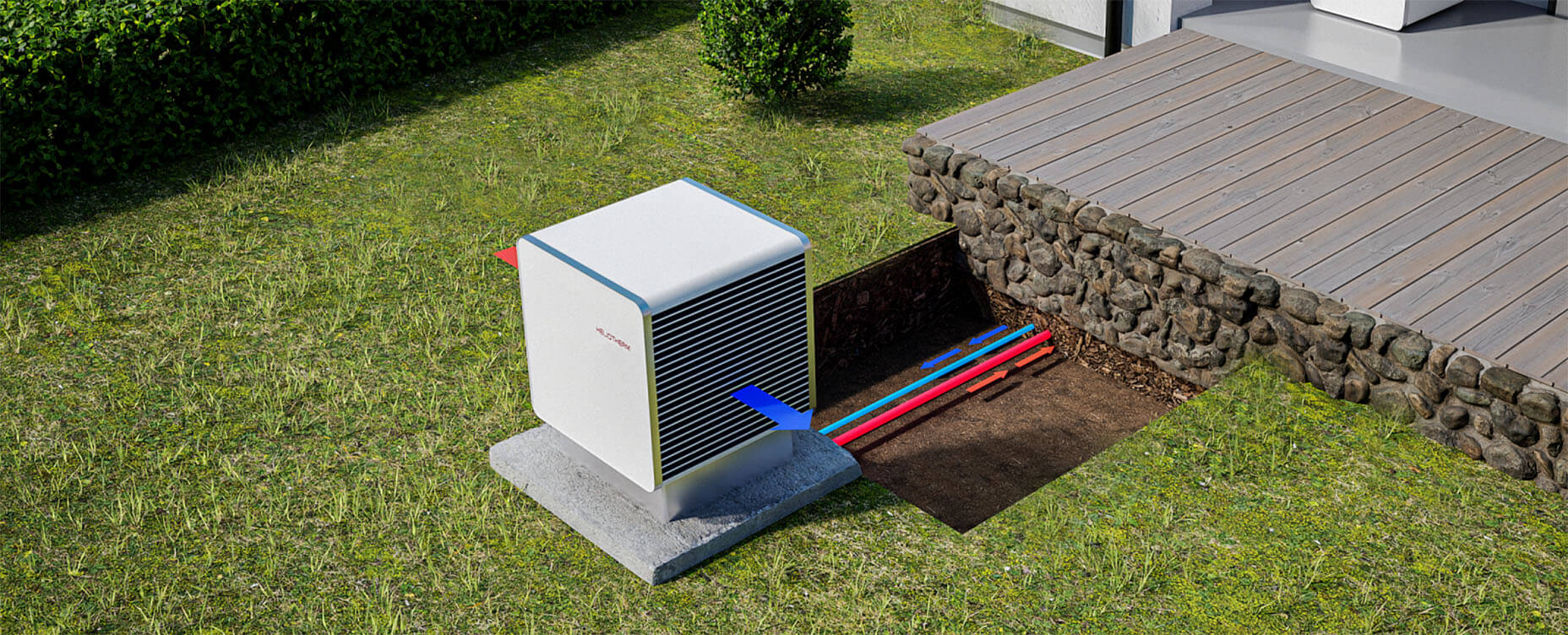
Your heat pump runs quietly in the background, but you might wonder what it actually delivers in terms of performance. To get a grip on efficiency, we use two main metrics: COP and SCOP. COP tells you exactly what is happening right now, while SCOP shows the average performance over an entire heating season.
In this article, we explain these concepts clearly and show you how to get a practical picture of your heat pump system using Homey and the Homey Energy Dongle, without getting lost in complex spreadsheets.
COP: A Snapshot That Moves with the Weather
The Coefficient of Performance (COP) is simply the ratio between the heat delivered to your home and the electricity used at that single moment. Think of COP as a speedometer: it is useful for understanding what is happening right now, but it doesn't tell the whole story of your journey.
If your heat pump is running calmly with a low supply temperature on a mild day, your COP is often high. However, if it has to work hard during a frost or because you requested a high indoor temperature, the COP drops.
Several factors directly affect this number, including the supply temperature of your heat distribution system, the outdoor temperature, the compressor speed, and defrost cycles. Even the use of electric backup heating plays a role. Fortunately, many of these factors can be influenced positively with smart control with Homey.
SCOP: Your Seasonal Average That Rewards Calm Operation
In contrast to the snapshot nature of COP, the Seasonal COP (SCOP) takes all those day-to-day fluctuations into account over the entire heating season. It is the best indicator for comparing different systems and for checking whether your current settings actually suit your home.
A smart thermostat system that avoids "chasing" temperatures, runs at low water temperatures, and plans its heavy lifting smartly will achieve a higher SCOP in practice. You create that calm efficiency by utilizing low-temperature heating, setting gentle temperature goals, and using smart Homey Flows that consider solar generation, energy prices, and family presence.
What Low Temperature and Modulation Do for Your Efficiency
Heat pumps naturally thrive on low supply temperatures. If you have underfloor heating or suitable radiators, you can live comfortably with water temperatures between 30°C and 45°C. The rule of thumb is simple: the lower the supply temperature, the less hard the compressor works, and the higher your COP becomes.
Modulating SG-ready heat pumps reinforce this effect because they can deliver exactly as much heat as is asked for. Consequently, the inefficient short "on/off" cycling disappears, and efficiency rises. In practice, you will notice this as even, stable warmth, fewer energy spikes in your consumption graph, and ultimately, a lower energy bill.
Measuring Heat Pump Efficiency with Homey
Measuring starts with visibility. For instance, the P1 port of your smart meter reports in near real-time how much electricity your heat pump is using. Simply connect the Homey Energy Dongle, and you will see the power profile throughout the day in Homey Energy.
Combine that data with your control system via a smart thermostat and add temperature or humidity sensors where needed. This way, you can link:
- Outdoor temperature
- Supply and room temperatures
- Demand in your zones
- The electrical consumption that your P1 data shows
A practical way to follow your own COP proxy is to compare electrical input with heat output over blocks of time. You read the input directly in Homey Energy. For the output, you have three practical angles:
- Use the heat demand your thermostat or heat pump reports as an indicator.
- Estimate heat delivery via supply and return temperatures and known water flow in your circuit.
- Work seasonally: compare weeks with similar outdoor temperatures and see whether you need fewer kWh for the same comfort after making changes.
It doesn’t have to be perfectly scientific to give you direction. The most important things are measuring consistently, changing things calmly, and seeing the effect back in Homey Energy.
Practical Approach to Heat Pump Energy Savings
Start with stability. To do this, set a comfortable band per zone and avoid having the heat pump chase half-degree steps. Give the living room a pleasant margin and let bedrooms “breathe” a bit more freely.
Furthermore, turn on open-window detection on your TRVs so your system pauses when someone vents a room. Let Homey give a small extra push with a simple Flow during sunny afternoons or cheap intervals, so the thermal mass of floors and walls helps carry the warmth through the evening.
Watch your graph for a week and only then adjust your thresholds. Do you see lots of short starts and stops? Then consider these steps:
- Add a buffer tank
- Increase the hysteresis (margin) in your control
- Put electric backup heating behind clear conditions
You can’t turn off defrost cycles, but you can prevent them from coinciding with other peaks in the house by shifting some loads slightly. With a smart plug, you can move devices like the washing machine and dryer out of the busiest moments.
Solar Panels and Cheap Intervals: Giving COP a Helping Hand
If you structurally see feed-in on sunny afternoons, let Homey pre-heat the living room subtly within your comfort band. You are not unnecessarily raising target temperatures; rather, you are shifting heat production to hours when it costs you less.
With a dynamic contract like Tibber, you benefit from quarter-hour prices by putting pre-heat windows in cheap blocks. Your consumption graph will then show that the pump delivers gently during the day and needs less energy in the evening. That is efficiency in practice: buying fewer expensive kWh for the same comfort.
Seasonal Measurement Without Spreadsheets
Schedule a short check-in every month. In Homey Energy, look at three things:
- Your baseload
- Your heat pump consumption per day
- The height of your evening peaks
Note the outdoor temperature as context. Make one change and keep it for two weeks. That could be:
- One degree lower supply temperature
- A slightly wider comfort band
- A different pre-heat timing
If you see fewer kWh in similar weather for the same comfort, you are moving in the right direction. Conversely, if you see the opposite, you can revert with a single click in Homey.
Hot Water Counts Too
Tap water is also part of your SCOP. A heat-pump boiler or DHW module runs more efficiently when it can charge during the day. Let Homey top up the tank during your own generation or cheaper dynamic pricing intervals. This way, you keep comfort, safety, and efficiency nicely in balance, without creating nightly peaks.
What You Really Should Not Do
- Don’t chase tenths of a degree.
- Don’t turn everything on at once in the busiest hour.
- Don’t change settings every single day.
Efficiency comes from calm operation. Let your heat pump modulate, set your comfort rails, and use Homey to pick the moments when extra running makes sense. And if you’re unsure whether a change helped, look back at your own graph. Your home tells the story.
Conclusion: From Numbers to Feel — and Back Again
COP and SCOP only become truly valuable when you link them to your home. With low temperatures, gentle setpoints, and smart Flows with Homey, you get the best out of your heat pump.
Homey manages the timing, the Homey Energy Dongle shows you what it delivers, and devices like smart thermostats, smart plugs and heat-pumps complete the picture. Set your comfort rails and pre-heat windows today and let your smart home do the heavy thinking. That way, efficiency stops being a theoretical number and becomes something you feel every day when you walk in.
FAQ
What is COP?
COP is the ratio between the heat your heat pump delivers and the electricity it uses at that moment. The higher the COP, the more efficiently your pump is running. Low supply temperatures and mild outdoor temperatures help increase COP.
What is COP?
COP is the ratio between the heat your heat pump delivers and the electricity it uses at that moment. The higher the COP, the more efficiently your pump is running. Low supply temperatures and mild outdoor temperatures help increase COP.
What is SCOP?
SCOP is the seasonal average COP over the entire heating season. It shows how efficiently your system performs on average, including winter days, defrost cycles, and hot tap water. Use SCOP to fairly compare systems or settings.
What is peak shaving?
Peak shaving is flattening short power peaks. You spread heavy users (e.g., dishwasher after cooking), temporarily lower the charging power of your EV charger, or let a home battery help out briefly. Result: less peak stress and a more stable home.
What is a modulating heat pump?
A modulating heat pump adjusts its output continuously to the heat demand. No harsh on/off behaviour, but calm running at low temperature. That’s quieter, more comfortable, and often more efficient—ideal with zoned heating via a smart thermostat.
What is weather-compensated control (heating curve)?
With weather-compensated control, the supply temperature follows the outdoor temperature. If it’s milder outside, the supply can go down. This keeps the indoor climate comfortable without unnecessarily high temperatures. Homey can combine this smartly with solar generation and presence information.


