



Smart Appliances and Load Shifting with Homey: Washing, Drying and Dishwashing
It’s easy to think of washing machines, dryers and dishwashers as small details in the energy story of a home. In reality, they are perfect examples of where a Home Energy Management System like Homey can deliver visible, practical value.
These appliances use a meaningful amount of electricity, but they are also incredibly flexible. In most households, it doesn’t matter whether the dishwasher runs at nine in the evening or at one in the morning—as long as the dishes are clean by breakfast. That flexibility is exactly what load shifting is about.
From “Press and Run” to “Ready By”
Traditionally, you load an appliance, press start, and it runs immediately, regardless of grid conditions, solar production or tariffs. When you start thinking in HEMS terms, a more useful way to express your needs emerges: “I want this finished by a certain time.”
Homey can use that simple requirement as a starting point. If the washing machine is loaded and you indicate that it should be ready by tomorrow morning, your HEMS suddenly has a whole range of possible times to choose from. It can consider solar forecasts, expected household demand, dynamic prices and quiet hours, and then pick the best moment.
You don’t need to manage that logic yourself. You only need to tell Homey that a machine is ready and when you want the result. Smart plugs with energy monitoring, direct integrations with certain appliance brands or even simple button presses can all serve as input.
Aligning Appliances with Solar and Tariffs
Appliances are excellent candidates for solar-based automation. When panels are producing strongly, and the rest of your household demand is modest, starting a wash cycle can be a very efficient way to use your own generation.
By connecting your inverter and appliances to Homey, you enable this directly. Flows can watch for periods of sustained solar surplus and then start machines that are waiting in a “ready to run” state. Homey can space them out to avoid overloading your connection, running one after another as long as the sun cooperates.
Dynamic tariffs provide another angle. In the absence of solar, or during darker seasons, Homey can time laundry and dishwashing to the cheapest hours within your defined time windows. This might mean shifting processes into the late evening or early morning—times when no one interacts with the machines anyway.
The underlying pattern is the same whether you use solar or tariffs as your guide: appliances become followers of good opportunities instead of indifferent sources of demand.
Managing Noise, Convenience and Household Routines
Practical realities matter. Dryers and washing machines can be noisy. Running them in the middle of the night might be technically ideal but unacceptable in terms of comfort, especially in smaller homes.
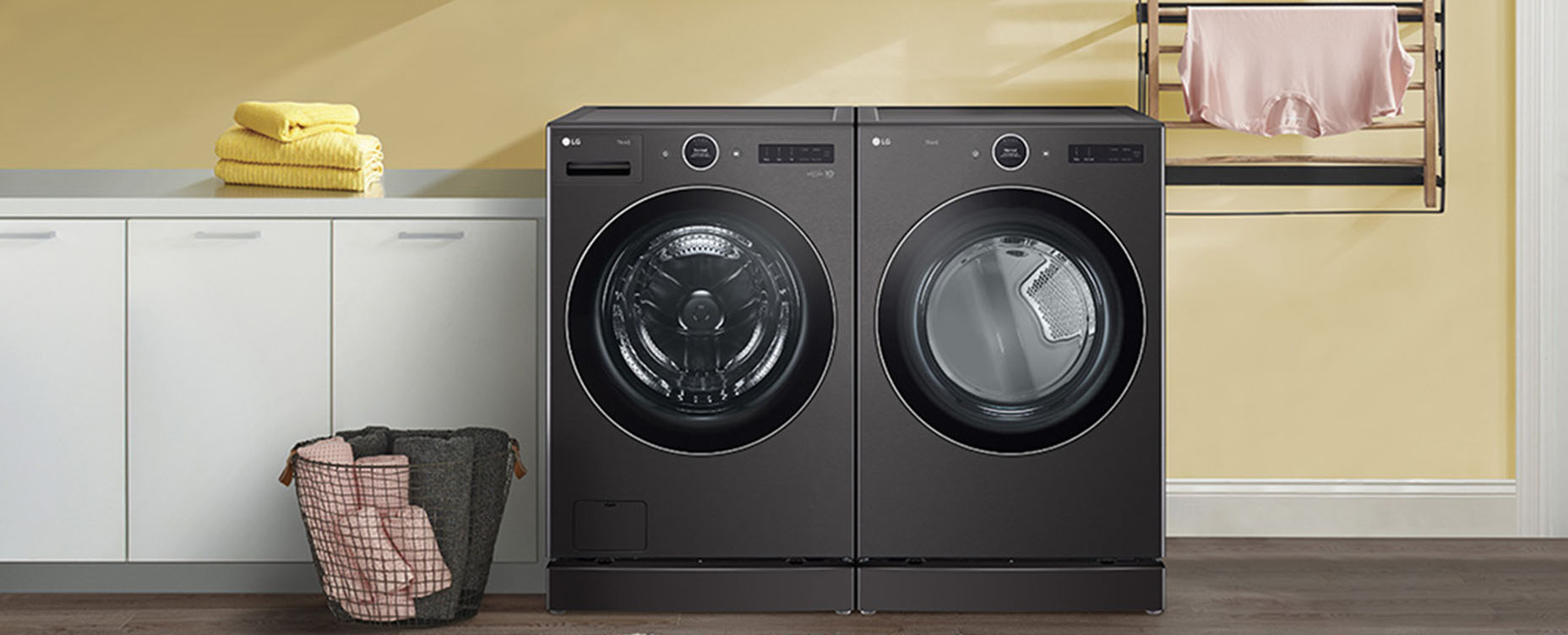
Homey allows you to set boundaries around load shifting. You can define quiet hours during which certain appliances are not allowed to start, or limit their use in specific rooms at particular times. You can prioritize the dishwasher to run earlier because you need plates in the morning, while letting laundry wait until later.
Because these constraints live in Flows, they are easy to adjust. If you find that a machine starting at a certain time is disruptive, you move the boundary. If you discover that a particular schedule works well, you can use it as a template for other appliances.
Visualizing the Impact of Load Shifting
One of the advantages of using Homey as your HEMS is that you can see the results of your strategies. When you move appliance usage into solar-rich or cheap-tariff periods, the effect shows up not only in your bills but also in your graphs.
You may notice that your lunchtime solar exports shrink while your overall imports decrease. You may see fewer evening peaks, replaced by smoother usage patterns spread across hours you rarely thought about before. That visual feedback reinforces the sense that small everyday routines—when you run the dishwasher, when you start the dryer—have become part of a bigger smart strategy.
Everyday Life as Part of Your Energy Plan
Smart appliances and load shifting illustrate a central truth about HEMS: most of the important changes happen in ordinary activities, not just in big investments.
By letting Homey manage when your washing, drying and dishwashing occur, you weave energy awareness into the fabric of daily life. You don’t have to remember to check tariffs or solar forecasts. You just live your life, and your home quietly does the rest.
FAQs
Does load shifting mean I have to do laundry at night?
Not necessarily. Load shifting is about flexibility, not restriction. While running appliances at night might be cheaper, a HEMS allows you to set boundaries like "Quiet Hours" to prevent noise from disturbing your sleep. The system will find the best time within the windows you allow.
How do I tell Homey when to start the washing machine?
Instead of setting a specific start time, you typically set a "ready by" deadline (e.g., 7:00 AM). Homey then calculates the optimal time to start the cycle during the night or day, based on energy prices or solar availability, ensuring the task is done by your deadline.
Can old appliances work with this system?
Yes. While modern smart appliances can integrate directly, older "dumb" machines can often be made smart using a smart plug with energy monitoring. As long as the machine resumes its cycle when power is restored (physical buttons often allow this), Homey can control its power supply to shift the load.
What if I need my clothes washed immediately?
You always retain manual control. Load shifting is an optional automation for when time is flexible. If you need a cycle done right now, you simply start the machine manually as usual, bypassing the smart schedule.
How much difference does shifting appliances really make?
Individually, a single cycle is small, but collectively, wet appliances (washers, dryers, dishwashers) account for a significant portion of household electricity. Shifting these loads to solar hours or off-peak tariff times reduces your reliance on expensive grid power and lowers your monthly bill without impacting your lifestyle.
Glossary
Load Shifting
The practice of moving energy consumption from one time of day to another. In a home context, this usually means deferring appliance cycles from expensive peak hours (like early evening) to cheaper off-peak hours or times of high solar production.
Solar Self-Consumption
The percentage of the solar energy you generate that is used directly by your home rather than being exported to the grid. Running appliances when the sun is shining increases this metric and maximizes the return on your solar investment.
Wet Appliances
A category of household appliances that use water and significant energy for heating it, including washing machines, tumble dryers, and dishwashers. These are ideal candidates for automation because their exact run-time is often flexible.
Smart Plug
A small adapter that sits between a wall socket and an appliance plug. It allows a HEMS to turn the device on or off and, crucially, measures how much power the device is using, enabling automation for older, non-connected appliances.
Quiet Hours
A user-defined time window (e.g., 10:00 PM to 7:00 AM) during which the HEMS is forbidden from starting noisy appliances. This constraint ensures that energy optimization efforts do not negatively impact the household's comfort or sleep.


