






Heat Pumps Lifespan & Maintenance Tracking with Homey
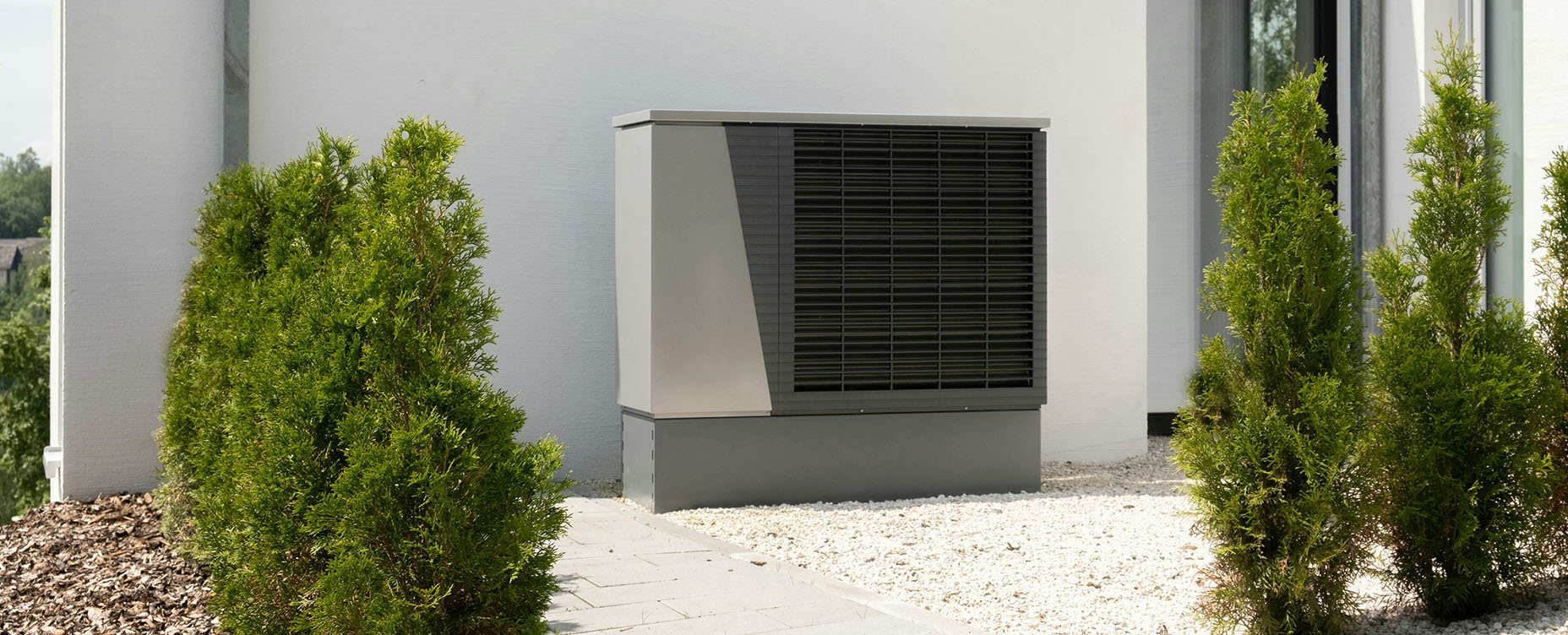
Smart automation is not just about saving money today; it is also about ensuring your equipment lasts for the long haul. With gentle setpoints, clear bandwidths, and continuous insight into performance, you extend the lifespan of your heat pump, home battery, inverter, and other peripheral equipment.
In this article, you get practical examples and a maintenance rhythm that you can anchor and use in Homey straight away. By using Homey to manage run times and temperature buffers, the system avoids the "short-cycling" that leads to premature equipment failure.
Reducing Mechanical Stress with Smart Setpoints
The quickest way to wear out a heat pump is through short-cycling. This happens when the unit turns on and off too frequently. Every time a compressor starts, it experiences a surge of electrical and mechanical stress. You can use Homey to enforce minimum run times, ensuring the unit stays on for at least 20-30 minutes once it starts.
Homey also helps by managing your temperature setpoints in tiny increments. Instead of asking for a 3°C jump which forces the pump to work at maximum capacity, you can create a Flow that increases the target by only 0.5°C at a time. This keeps the system running in its most efficient "steady state" rather than constantly redlining.
Using Hysteresis and Bandwidths
Hysteresis is a fancy word for creating a buffer zone so your devices don't "chatter" or flip-flop between states. If you tell a heater to turn off exactly at 21°C, it might turn back on seconds later when the sensor reads 20.9°C. With Homey, you can set a wider operating logic that prevents this from happening.
For example, you can tell Homey to start your heat pump boiler only when solar production stays above 1500W for ten minutes. Then, tell it to keep running until the surplus drops below 700W. This gap prevents your expensive equipment from reacting to every passing cloud, which preserves the internal relays and the compressor.
Protecting the System During Peak Loads
Managing a home battery in tandem with a heat pump is a great way to extend the life of both. High-draw appliances like heat pumps can strain a battery if it is nearly empty. Homey can maintain a 20% "reserve" in the battery to ensure the heat pump always has a stable power source without "bricking" the battery cells through deep discharge.
Peak shaving is equally important for long-term health. During periods of high household demand, Homey can automatically throttle an EV charger or pause a heat pump’s auxiliary heater. This reduces the thermal load on the electrical distribution board and prevents the heat pump from running at maximum capacity when the grid or home circuit is already stressed.
Data Tracking and Maintenance Alerts
Consistent monitoring identifies wear before a total breakdown occurs. Homey can track the "starts per hour" for a heat pump and send a notification if that number spikes. A sudden increase in start cycles usually indicates a sensor issue or a poorly configured Flow that needs immediate adjustment.
Automated maintenance reminders ensure that physical checks do not get forgotten. Homey can trigger a monthly prompt to check ventilation grilles and a yearly reminder to schedule a professional pressure and antifreeze check. This digital log turns a reactive "fix it when it breaks" mindset into a proactive maintenance rhythm that keeps the hardware running for decades.
Conclusion
Lifespan and comfort follow naturally when you let systems run calmly: small setpoint steps, clear bandwidths, and consistent monitoring. With Homey, you automate that calm. By adding timers and hysteresis, protecting battery health with reserves, and limiting peaks in steps, you keep consumption low and equipment healthy. This way, your household stays satisfied—today and five years from now.
FAQ
How do I prevent my heat pump from short cycling?
Use hysteresis (the difference between start and stop temperatures), set minimum run times (≥15–20 min), and use small setpoint steps (0.3–0.5°C) to avoid sudden demand spikes.
What is a good bandwidth for PV-controlled actions?
Start actions at 1200–1500 W PV surplus and stop them at 700–900 W. Add a time condition like “for 8–12 min” to dampen fluctuations from passing clouds.
Which battery reserves extend lifespan?
Keep 20–30% SoC as a reserve, avoid holding the battery at 100% SoC for prolonged periods, and limit rapid switching between charging and discharging with time limits.
How do I limit peaks without losing comfort?
Reduce EV charging current in steps (e.g., −2 to −4 A), pause auxiliary heating first, and restore power gradually once consumption drops.
What should I monitor weekly?
Track the starts/hour and on-time of the heat pump, peak power (W) and peak events, battery cycles/SoC, night base load, and temperature deviation vs. setpoint.


